
Who is a good candidate for dental veneers and who is not?
One of the most important questions before starting any cosmetic dental treatment is not only how much it costs or how many appointments it takes, but whether it actually makes sense for your smile. Dental veneers can be an outstanding option for patients who want to improve shape, color, proportion, symmetry and overall harmony, but they are not the right answer for every case. Some smiles are excellent candidates for this type of treatment, while others first need to address functional wear, bite problems, periodontal disease, unstable restorations or unrealistic expectations. Understanding who is a good candidate and who is not helps patients make much smarter, safer decisions with better medium- and long-term results.
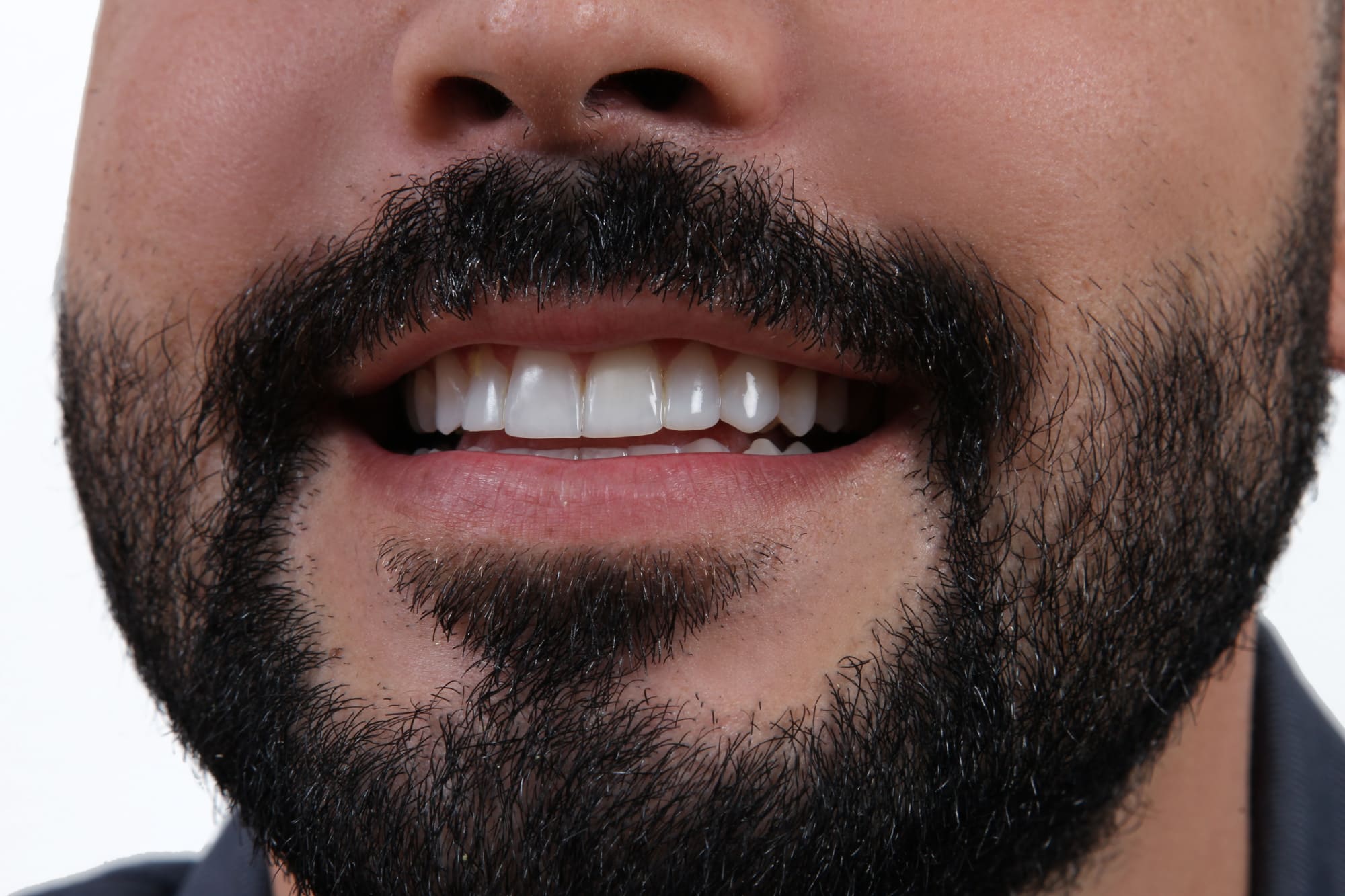
In cosmetic dentistry, one of the most important ideas to understand is that not every patient who wants dental veneers is automatically a good candidate for them. Sometimes the answer is clearly yes. In other cases, the ideal treatment involves a different kind of planning, a preliminary phase focused on oral health, or even a broader restorative approach within oral rehabilitation. Choosing well is not about chasing a technique because it is popular, but about finding the solution that truly fits the patient’s anatomy, function and aesthetic goals.
If you are still building context around this treatment, it may also help to review our main page on dental veneers, understand how much dental veneers cost in Bogotá in 2026, learn whether dental veneers damage your teeth, explore how long veneers really last and when they need to be replaced and compare dental veneers vs composite bonding. All of that helps explain why candidacy depends not only on wanting a better smile, but on the actual kind of case involved.
Being a candidate for veneers does not depend only on wanting an aesthetic change, but on having a clinical and functional foundation that makes the treatment reasonable
Many people think of veneers as a universal solution for any smile they do not like. But real clinical dentistry does not work that way. Some patients have healthy teeth, proportions that can be improved, a compatible bite and clear aesthetic goals. In those cases, veneers can make a great deal of sense. Other patients present severe wear, complex fractures, periodontal problems, intense parafunctional habits or expectations that are disconnected from their actual oral condition. In those situations, the treatment may require a very different logic.
That is why, before asking yourself whether you “like” veneers, it makes more sense to ask whether your smile, your bite and your clinical condition actually allow veneers to be indicated properly. That difference is what separates a good decision from an impulsive one. It also explains why this topic connects directly with smile design, with oral rehabilitation and with common questions such as whether veneers damage the tooth.
Dental veneers often make the most sense for patients who want to improve the aesthetics of their smile and already have an oral foundation that is compatible with this type of treatment
Shape and proportion changes
Patients with small teeth, worn edges, asymmetries or proportions that feel visually unbalanced can benefit greatly when the case allows the smile to be redesigned with precision.
Color issues that are difficult to solve
When discoloration cannot be improved enough with teeth whitening, veneers may offer a more complete aesthetic solution.
Several aesthetic concerns at once
Cases where there is not just one isolated problem, but a combination of issues involving edges, symmetry, texture, length, color and overall harmony.
Patients with mature expectations
People who understand that the goal is not an artificial smile, but a natural, proportionate and believable result that works with their face.
When these conditions come together, veneers can become an extraordinary tool for clearly elevating the aesthetic level of the smile. This becomes even more evident when the case is understood within a broader smile design framework rather than as a simple isolated modification of a few teeth.
A good candidate does not only have a visual reason to improve their smile, but also oral health stable enough to support the treatment
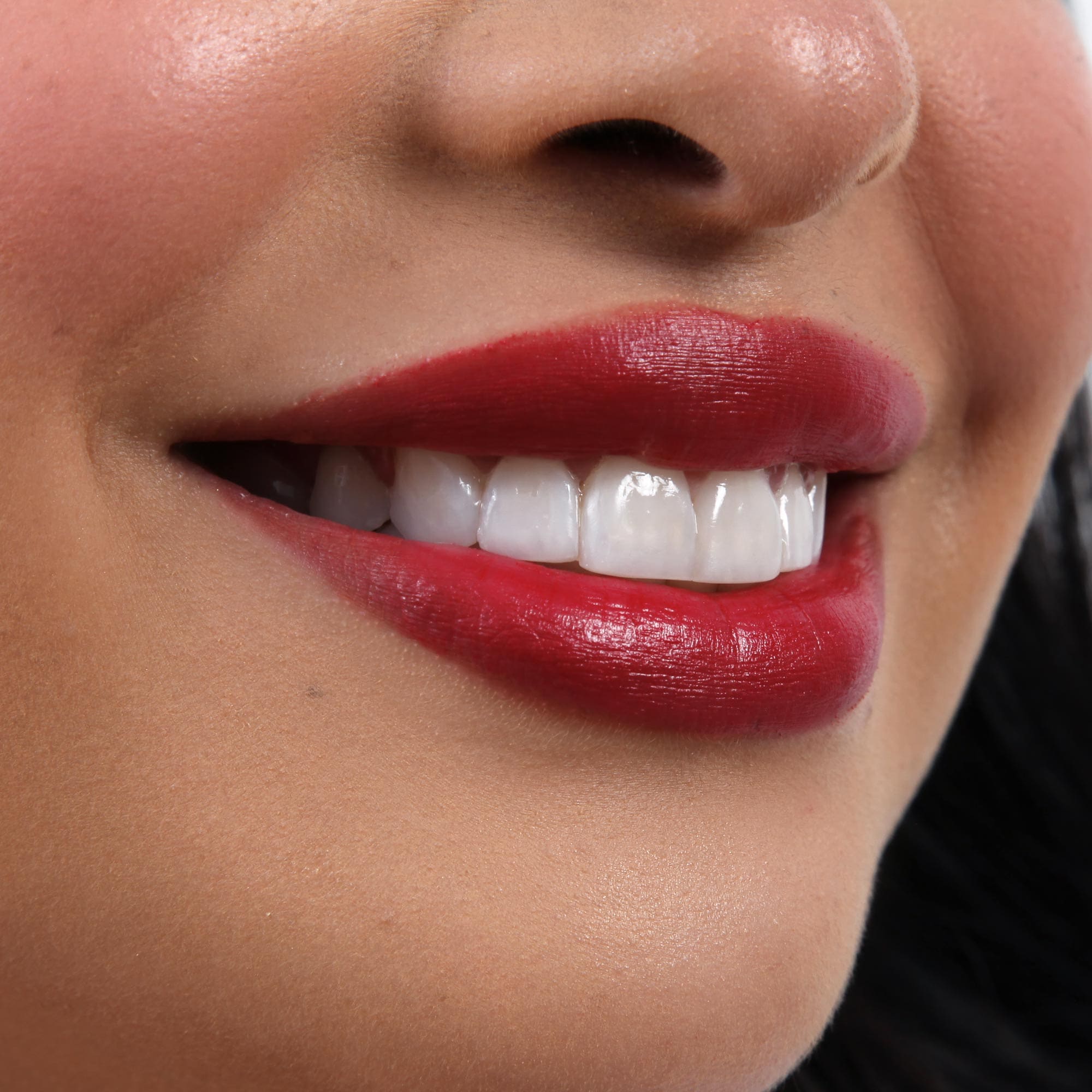
Veneers can look spectacular in photographs, but clinically what matters is having a solid biological and functional foundation. That means reasonably healthy gums, control of cavities or defective restorations, bite stability and enough dental structure to work responsibly. Without that foundation, the problem is not only that the result may not look as good as expected, but that the treatment may start from the wrong place entirely.
This is where the difference between marketing and clinical judgment becomes very clear. A patient may want a whiter, more harmonious and more elegant smile, and still need periodontal, restorative or functional treatment first before veneers should even be considered. In certain cases, the priority may be closer to oral rehabilitation or even to a solution involving dental implants when missing teeth or structural limitations make that necessary.
There are patients for whom veneers should not be considered the first option, at least not until more important issues have been resolved
This does not mean these patients can never become candidates. It means that, at that moment, the correct order of treatment is probably different. Sometimes oral health has to be stabilized first. In other cases, function needs to be treated, worn teeth need to be rebuilt, missing teeth need to be replaced or the overall plan needs to be redefined. The mistake would be using veneers as a cosmetic shortcut for a case that actually needs a deeper diagnosis.
One of the most important factors in defining candidacy is not only the condition of the teeth, but also the way the patient understands the treatment and its limits
Some patients may be clinically suitable and still not be ideal candidates if they arrive with expectations that are fundamentally misaligned. For example, when they want an excessively white, overly uniform smile that does not fit their face, when they want to copy a social media image without considering their own anatomy, or when they think the treatment is purely cosmetic and does not require maintenance, follow-up or serious planning.
A good candidate usually understands that high-level aesthetic dentistry is not about “getting perfect teeth” in a generic way, but about building a smile that feels believable, harmonious and sustainable. That maturity also helps patients interpret the price of dental veneers more intelligently, because it stops being seen as just a number and starts being understood as part of a much broader diagnostic, aesthetic and technical process.
Veneers make the most sense when the goal is to elevate the smile in an integrated way rather than simply covering a small isolated problem
Good scenario for veneers
A patient with teeth that can be aesthetically improved, healthy gums, enough remaining structure and a desire to enhance shape, color, length and symmetry with a refined result.
Scenario that requires more thought
A patient with untreated functional issues, gingival inflammation, missing teeth, advanced wear or unrealistic expectations about the final result.
This distinction matters because it prevents veneers from being confused with a one-size-fits-all aesthetic solution. In many patients, veneers work especially well when the aim is not simply to close a space or repair an edge, but to achieve a significantly higher level of overall harmony. If the desired change is much smaller or more localized, it may also make sense in some cases to consider alternatives such as composite bonding.
No one should decide whether they are a candidate for veneers without also looking at how they bite, how they load their teeth and how the treatment is likely to age in their particular case
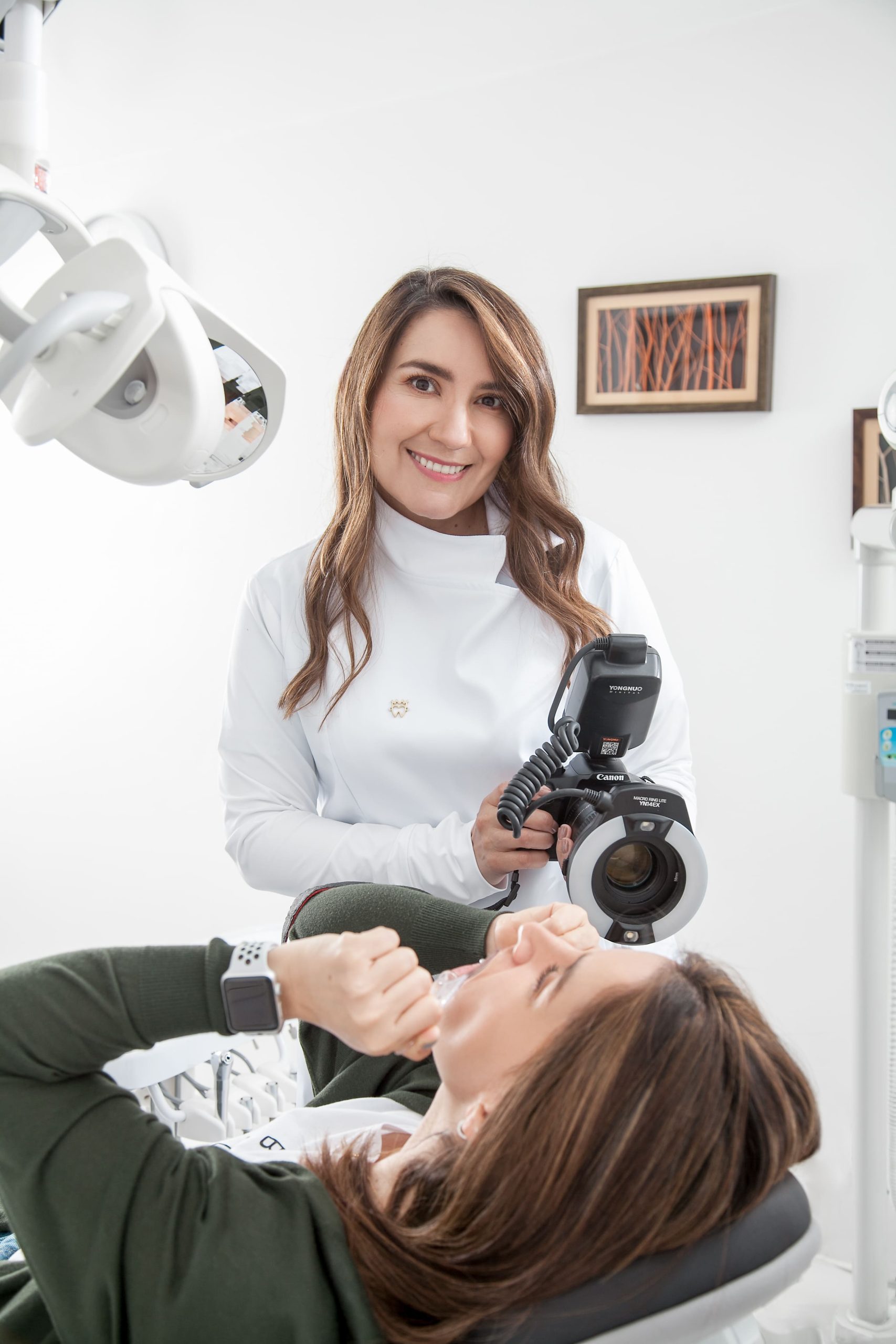
A beautiful smile is not sustained only by its initial appearance. It also needs a reasonable relationship with function. If there is significant bruxism, unfavorable contacts, active wear or an unstable chewing dynamic, the diagnosis has to be much more careful. In those patients, the question is not only whether veneers “can be done”, but whether they can be properly indicated and protected over time.
This connects directly with the question of how long dental veneers last. Longevity does not depend only on the material or the laboratory. It also depends on the type of patient, the indication and the functional behavior of the case. That is why defining candidacy also means thinking about how the treatment will live within the patient’s real daily life.
In some cases, the patient does not need veneers as the first step, but a broader strategy that organizes health, function and aesthetics in the right order
Some smiles need a more comprehensive reading. Patients with heavily damaged teeth, missing teeth, old restorations or major functional changes should not be viewed only through the lens of immediate aesthetics. In those cases, it may be more honest to begin with a phase of oral rehabilitation, deeper restorative treatment or replacement of missing teeth with dental implants when necessary.
That does not exclude the possibility that veneers may later be used in selected areas. What changes is the clinical order of the plan. And that order is critical. Good aesthetic dentistry does not begin with what is most visible, but with what makes the final result viable and stable.
For many patients who travel from abroad, defining candidacy correctly becomes even more important because the treatment has to be planned with great precision
In patients traveling from another city or another country, the indication cannot be improvised. It has to be clearly assessed whether the case is suitable for veneers, whether previous phases are needed, whether specific clinical times must be coordinated and whether the patient’s aesthetic expectations are compatible with a serious treatment plan. That is why this conversation also connects naturally with our page on dental tourism, where we explain how treatment can be better organized when the patient is traveling with clear goals and limited time.
A well-planned international patient can be an excellent candidate. But precisely for that reason, the diagnostic phase becomes even more valuable: traveling for treatment should never mean rushing, but structuring every step carefully.
Not being a candidate for veneers right now does not mean your smile has no solution, but that it may need a different path to reach the right result properly
One of the most common mistakes is thinking that if veneers are not the first recommendation, then the patient is somehow “ruled out” from achieving a major aesthetic improvement. That is not the case. Very often what happens is that the case requires another sequence first: periodontal health, then function, then restoration and finally aesthetics.
It also happens that some people do not actually need veneers in order to get the change they want. In some cases, a good teeth whitening treatment or a more conservative intervention may bring them closer to their goal without over-treating the smile.
In other situations, when the problem is much more structural, the right solution may be closer to a comprehensive smile design plan or to oral rehabilitation rather than to a few veneers considered in isolation.
What matters is that the patient should not chase a technique, but a well-constructed result. And that requires diagnostic honesty, not just aesthetic enthusiasm.
The only serious way to define whether you are a candidate for veneers is to evaluate your full case rather than relying only on photos, wishes or general comparisons

Being a candidate for veneers is not a universal label. It is a clinical conclusion. It depends on tooth structure, gum health, bite, level of wear, aesthetic goals and the coherence between what the patient wants and what actually makes sense. That is why a proper consultation does not simply say “yes” or “no”, but explains why and under which conditions.
In some patients the answer will be clearly favorable. In others, it will be favorable with prior conditions. And in others, the most responsible recommendation will be to guide the case toward a different type of treatment. That clarity is exactly what protects the tooth, improves the result and allows decisions to be made with much more confidence. If you want to keep exploring this topic, it makes perfect sense to connect this article with tooth preservation, longevity and the comparison with bonding.
A good candidate for dental veneers is not simply someone who wants to look better, but someone whose case, oral foundation and expectations make the treatment truly appropriate
Dental veneers can transform a smile beautifully when they are properly indicated. But precisely because of their potential, they should not be used as an automatic solution for everything. Some patients are excellent candidates because they want to improve shape, color, length and harmony, and also have the clinical foundation needed to support the treatment. Other patients first need to organize oral health, function, structure or even their own expectations before moving into that territory.
The key is not chasing the most famous technique, but understanding which treatment actually responds best to the real problem and to the result you want to build. A well-planned smile always begins with a proper diagnosis.
If you want to keep exploring this cluster, it may help to visit our main page on dental veneers, understand how much they cost in Bogotá in 2026, learn whether they damage your teeth, read how long they last and when they need to be replaced and compare dental veneers vs composite bonding.
Do you want to know whether you are truly a good candidate for dental veneers?
We can evaluate your smile, analyze your bite, review your oral health and guide you on whether veneers are the best option for your case or whether a different approach would create a more stable, natural and well-planned result.
Explore more content about dental veneers, smile design, oral rehabilitation and complementary treatments in Bogotá
If you are trying to understand whether veneers are right for you, these pages and articles can help you go deeper into cost, longevity, tooth preservation, alternatives and overall treatment planning.
Dental veneers
Understand the overall treatment approach, when it makes sense and how a more harmonious, natural smile is planned.
Learn more Cosmetic dentistrySmile design
Explore how the smile is studied as a whole to define proportion, shape, harmony and naturalness.
See more CostHow much do dental veneers cost in Bogotá in 2026?
Discover approximate price ranges, the factors that influence cost and how to interpret the real value of treatment.
Read article Tooth preservationDo dental veneers damage your teeth?
Understand when veneers can be planned conservatively and what helps protect enamel and tooth structure.
Read article LongevityHow long do dental veneers last and when do they need to be replaced?
Understand what influences their longevity and why correct case selection affects how well they age over time.
Read article ComparisonDental veneers vs composite bonding
See when bonding may be enough and when veneers provide a more solid framework for the case.
Read article Comprehensive careOral rehabilitation
Learn when a smile needs a broader restorative approach before focusing on the purely aesthetic side.
See more Tooth replacementDental implants
Explore what happens when the case includes missing teeth and treatment planning has to start from structural support.
See more Complementary treatmentTeeth whitening
Understand when whitening may be enough to improve color and when it does not replace a change in shape or proportion.
See more International patientsDental tourism
Discover how treatment can be planned more efficiently when the patient is traveling from another city or another country.
See more