
How Long Do Dental Veneers Last? Real Lifespan of Porcelain and Composite Veneers
In many cases, porcelain veneers can last around 10 to 15 years or more, while composite veneers usually last fewer years and often need earlier maintenance or replacement. Their real lifespan depends on the material, the bite, daily habits, clinical planning, and long-term care. The key question is not only how long veneers stay bonded, but how long they remain stable, natural-looking, comfortable, and well integrated into the smile.

One of the first questions patients ask before choosing veneers is simple and important: how long do dental veneers last? That question makes complete sense, because veneers are not usually seen as a short-term cosmetic change. Patients want to know whether the treatment can remain stable, how it ages and when it may need maintenance, replacement or an update.
The most useful answer is not one isolated number. Veneer lifespan depends on the material, the case design, the clinical execution, oral function, daily habits and the way the smile is cared for over time. If you are still building context around treatment options, it may also help to review how much dental veneers cost in Bogotá in 2026, compare dental veneers vs composite bonding, understand who is a good candidate for dental veneers and see before and after dental veneers with natural-looking results.
How long do veneers last on average?
In many cases, porcelain veneers can last around 10 to 15 years or even longer when they are well planned, correctly indicated and properly maintained. Composite veneers usually have a shorter lifespan and may require polishing, repair or replacement sooner depending on function, staining, wear and daily habits.
Still, veneer longevity is never just about the material. A better question is whether the veneers continue to look natural, feel comfortable and remain stable in relation to the bite, the gums and the rest of the smile.
| Type of veneer | Typical longevity | What to expect |
|---|---|---|
| Porcelain veneers | Often around 10–15 years or more | Better long-term color, brightness and surface stability in well-planned cases |
| Composite veneers | Usually shorter-term and more maintenance-dependent | May need polishing, repair or earlier replacement depending on wear and staining |
Would you like to know which type of veneer could offer a more stable long-term result in your case?
Message us on WhatsApp and receive personalized guidance about porcelain veneers, composite veneers, durability, maintenance, and the kind of treatment that may make the most sense for your smile.
Dental veneers can last for many years, but their real longevity depends far more on the case and the long-term care than on one universal number
When patients ask how long dental veneers last, they often expect a precise answer, as if there were a fixed expiration date. In real life, it does not work that way. Veneers can remain in very good condition for many years, but they do not all age in the same way and not all patients place the same demands on their smile.
Some veneers can stay stable for a very long time when the case has been well planned, the bite is balanced, the material has been correctly indicated and the patient has favorable habits. In other situations, veneers may need maintenance, adjustment or replacement sooner than expected because of bruxism, wear, excessive functional load, poor hygiene or simply a more demanding oral context.
That is why, rather than thinking in terms of one exact number, it is more useful to understand veneer longevity as the result of a combination of material, planning, clinical execution, oral function and long-term care. This is also why many patients naturally connect this question with two others: who is really a good candidate for veneers and how much they cost depending on the material and case complexity.
A veneer should not just stay attached to the tooth. It should also continue looking beautiful, stable and coherent within the smile
There is an important difference between a veneer still being “in place” and still functioning well from both an aesthetic and clinical point of view. Sometimes a veneer may still be bonded to the tooth, but no longer look as harmonious as before, lose some of its brightness, show small contour changes, present wear or no longer integrate as well with the rest of the smile.
In cosmetic dentistry, longevity does not simply mean resisting time. It also means doing so while maintaining a natural appearance, proper function and a healthy relationship with the surrounding tissues and the overall smile. That is one of the reasons why it is not enough to ask how many years veneers last. It also makes sense to ask how they age and under what conditions they continue to look good.
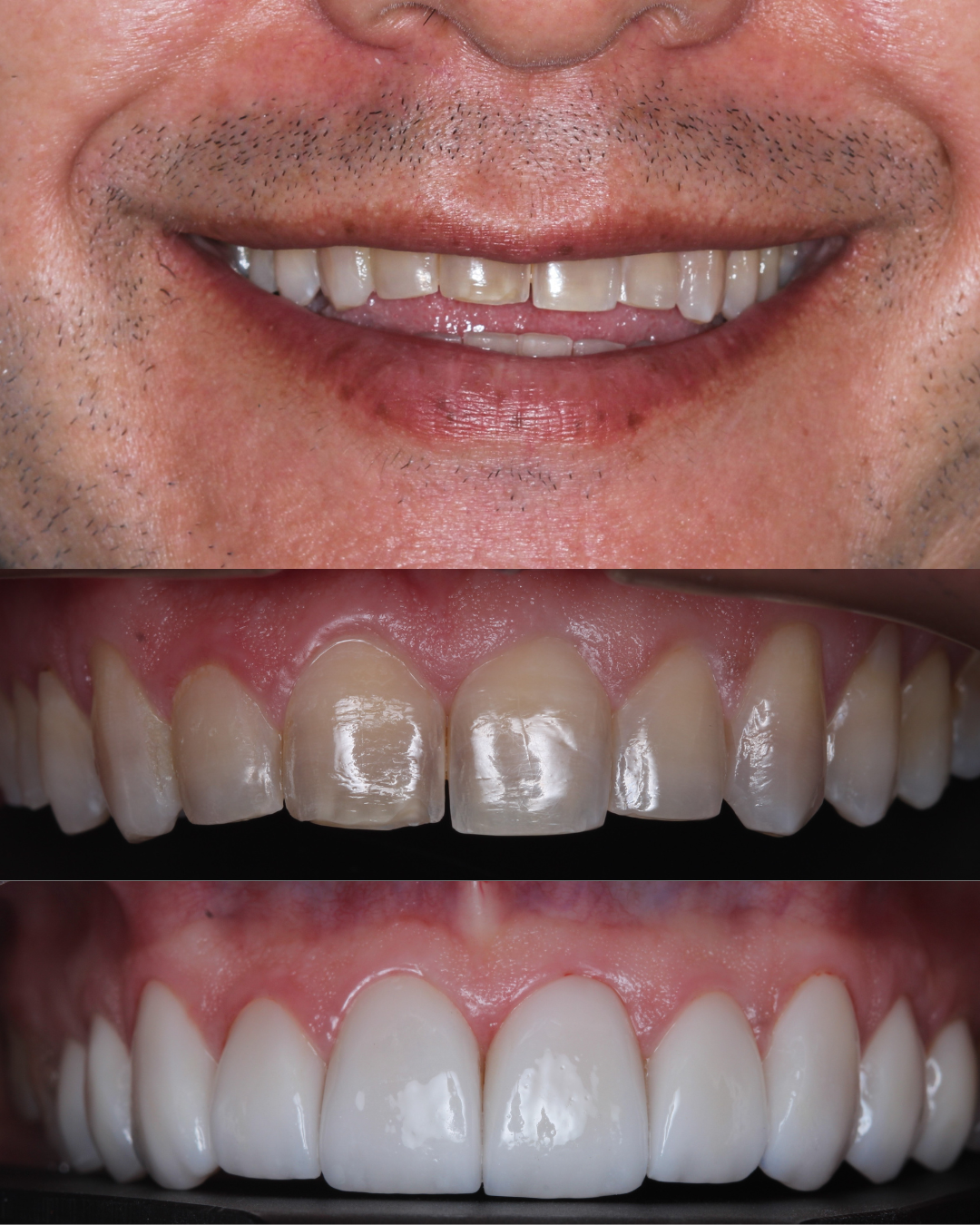
Looking at before and after dental veneers with natural-looking outcomes can also help patients understand that long-lasting veneers should not only remain attached, but should continue to look harmonious and convincing over time.
These are some of the factors that most often influence how long dental veneers can remain in good condition
The material selected
Not all materials respond the same way to daily use, wear, staining or long-term aging.
Case planning
A well-designed treatment usually integrates better with the anatomy and tolerates functional demands more effectively.
Bite and function
The way the teeth come together and the amount of force they receive can significantly affect veneer stability.
Patient habits
Bruxism, clenching, biting hard objects or lack of protection can reduce their lifespan considerably.
Oral hygiene, regular check-ups, finishing quality and the way the smile continues to fit the patient over time also matter. In other words, longevity does not depend on one isolated factor, but on the overall balance of the case. That is why it can also be useful to compare dental veneers and composite bonding, since not every option ages in the same way or responds equally to functional demands.
Longevity can vary because it is not the same to talk about resin, ceromer or porcelain veneers
When discussing how long veneers last, one of the first things worth clarifying is that not all materials behave the same way. Some options may be more affordable or more conservative in certain situations, while others tend to offer greater long-term stability in brightness, texture, color and resistance.
That does not mean there is one universally “correct” material for everyone. It means the recommendation should make sense for the specific case. In some situations, one option may be entirely appropriate if it aligns well with the patient’s goals and clinical context. In other cases, if the patient is looking for a more refined smile with stronger long-term aesthetic stability, it may make sense to choose a more demanding material.
That is why patients should not think only about price, but also about what they expect from the treatment over time. If you want to better understand the financial side of this decision, it may help to review the estimated cost of dental veneers in Bogotá and how it can vary depending on material and case complexity. And if you are still comparing possible paths, it is also very useful to read dental veneers vs composite bonding.
A beautiful result should not only look good at the beginning. It should also continue feeling harmonious as the years go by
Patients often focus on how their smile will look on the day the treatment is completed. That is completely normal, but it should not be the only criterion. A well-executed smile should also be designed to age well, to remain coherent with the face and to stay visually stable without losing naturalness too soon.
That is where planning makes a huge difference. When proportions, volumes and the relationship with the patient’s anatomy are carefully worked out, the treatment usually holds up better over time from a visual point of view.
On the other hand, when the design is too exaggerated, too artificial or disconnected from the natural anatomy, it becomes easier for the result to look less convincing over time or require earlier correction.
That is why veneer longevity is not measured only in years, but also in how the smile evolves while wearing them. This way of thinking is much more aligned with reviewing natural before and after veneer results and understanding which cases are good candidates than with a superficial cosmetic intervention.


Veneers are not always replaced because they have “expired”, but because clinical or aesthetic signs begin to justify it
It is important to understand that replacing veneers does not always mean the treatment “failed”. Sometimes it is simply part of the natural maintenance cycle of an aesthetic restoration over the years. What matters is being able to distinguish between a reasonable replacement after long-term evolution and an early replacement caused by poor initial planning. That distinction is strongly influenced both by the original clinical indication and by whether the treatment was conservative from the start, which also connects with proper candidate selection and with the kind of solution that was chosen.
Even if veneers can last for years, they should still be reviewed periodically so small changes can be detected before they become a bigger issue
Veneers can remain beautiful for a long time and still require clinical follow-up. Check-ups allow the dentist to evaluate whether the adaptation remains correct, whether there are signs of wear, whether the bite is placing too much load on them or whether there is any detail worth correcting before it affects the long-term stability of the treatment.
That kind of follow-up should not be seen as a sign of fragility, but as part of responsible dentistry. Just as a well-designed smile requires proper planning at the beginning, it also benefits from sensible long-term monitoring.

There are certain habits and conditions that can make veneers require maintenance or replacement earlier than expected
Not everything depends on the material or the clinical work itself. There are also everyday factors that can affect veneer stability over time. Bruxism, clenching, biting hard objects, using teeth as tools, not wearing a night guard when indicated or neglecting maintenance can place much more stress on the restorations than they were meant to receive.
In the same way, some patients have a more demanding functional pattern or gradual bite changes that make earlier reassessment necessary. That is why, when talking about longevity, it is also important to talk about shared responsibility between the treatment itself and the patient’s habits.
In cases where there are broader issues involving wear, structure or functional instability, it is also reasonable to review dental veneers vs composite bonding and revisit who is a good candidate for veneers before deciding what makes the most sense.
A smile that is well integrated and anatomically coherent does not just look better. It often ages better too

There is a very clear relationship between a well-resolved design and the treatment’s ability to remain beautiful over time. When a smile is built around harmony, proportion and respect for the patient’s anatomy, it is usually much easier for it to continue looking credible and well integrated for years.
On the other hand, when the aesthetic is pushed too far or becomes disconnected from the face, there may not only be visual problems from the beginning, but also a faster sense of aging in the result. That is why naturalness is not just an aesthetic preference. It is often an ally of longevity.
This is also why it is useful to look at before and after veneer cases with natural results, because good long-term aging is usually connected to a design that already looked balanced and believable from the start.
The real question should not just be how many years veneers last, but what kind of veneers and what kind of planning can offer you a more stable smile over time
Patients who research this treatment carefully are not only looking for a beautiful smile today. They also want to know whether the decision will still make sense years from now. And that is exactly the right way to think about it. Rather than becoming obsessed with one closed number, it makes more sense to ask what material is being proposed, why it is being recommended, what level of maintenance it may require, how the bite influences longevity and what signs might eventually indicate the need for an update or replacement.
In other words, longevity should not be understood as a commercial promise, but as an honest clinical conversation about stability, function, aesthetics and the natural evolution of the case.
If you also want to compare this treatment from the perspective of indication, aesthetics and long-term value, it may help to read who is a good candidate for dental veneers, review how to interpret veneer cost, compare dental veneers vs composite bonding and see natural before and after veneer results.
Frequently asked questions about veneer lifespan
How long do porcelain veneers last?
In many well-planned cases, porcelain veneers can last around 10 to 15 years or even longer, especially when the bite is stable and the patient maintains good habits and regular follow-up.
How long do composite veneers last?
Composite veneers usually have a shorter lifespan than porcelain veneers and often require earlier polishing, repair or replacement depending on wear, staining, bite forces and maintenance.
Do veneers last forever?
No. Veneers can last for many years, but they are not generally considered permanent in the sense of never needing maintenance, updates or eventual replacement.
When do veneers need to be replaced?
Veneers may need replacement when there is fracture, wear, detachment, staining, contour issues, marginal problems or when the result no longer integrates well aesthetically or functionally.
What makes veneers wear out faster?
Bruxism, clenching, biting hard objects, poor hygiene, lack of night guard protection when needed, and an unstable bite are some of the most common reasons veneers require earlier maintenance or replacement.
Dental veneers can last for many years, but their real stability depends on how they are designed, how they are executed and how they are cared for over time
Asking how long dental veneers last is an excellent way to approach the treatment seriously. The useful answer is not one isolated number, but understanding that longevity depends on the material, the indication, oral function, planning quality and long-term care. In many patients, well-designed veneers can remain in very good condition for years. In others, maintenance or replacement may arrive earlier for functional, aesthetic or structural reasons.
What matters is not seeing veneers as something “forever” nor as something fragile by definition. The right perspective is to understand them as an aesthetic restoration that can offer excellent long-term stability when done with clinical judgment and followed appropriately over time.
If you want to keep exploring the topic, it may help to review how much veneers cost in Bogotá in 2026, understand who is a good candidate for treatment, compare dental veneers vs composite bonding and explore before and after veneer cases with natural-looking results.
Would you like to know what type of veneers could offer you a beautiful and stable long-term result?
We can assess your smile, evaluate your bite, understand your goals and help determine the type of treatment that makes the most sense for a natural, harmonious and long-lasting result.
Explore more content about dental veneers, natural results and treatment planning in Bogotá
If you are researching this treatment more deeply, these pages can help you better understand cost, candidacy, aesthetic expectations and how veneers compare with other cosmetic options.
How Much Do Dental Veneers Cost in Bogotá in 2026?
Discover estimated price ranges, what influences cost and how to better interpret the real value of treatment.
Read article CandidacyWho Is a Good Candidate for Dental Veneers?
Understand the ideal cases, contraindications and what really matters before choosing veneers.
Read article Before and afterDental Veneers Before and After Natural Results
See how natural-looking veneer cases are planned and why balanced design matters so much in aesthetic dentistry.
Read article ComparisonDental Veneers vs Composite Bonding
Compare differences in finish, stability, clinical indication and expectations in the medium and long term.
View comparison AestheticsNatural-looking veneer results
Understand why harmony, proportion and restraint usually lead to better long-term aesthetic outcomes.
View more PlanningGood candidates for veneers
Learn why the right indication is one of the strongest predictors of a stable and satisfying result.
View more