Endodontics in Bogotá to relieve pain and save your tooth If you have intense pain, sensitivity, or inflammation, we can help eliminate the infection and preserve your tooth safely and without pain.
Are You Experiencing Severe Tooth Pain Right Now?
A dental infection is not something that should be overlooked. When the inner pulp of a tooth becomes infected, bacteria can spread beyond the root canal system and begin affecting the surrounding bone that supports the tooth. As the infection progresses, it may cause increasing inflammation, throbbing pain that worsens when chewing or lying down, heightened sensitivity, and in some cases the development of an abscess filled with pus.
If you notice gum swelling, persistent pain that does not improve with standard pain medication, a feeling of internal pressure in the tooth, or even facial swelling, it is important to seek care promptly. Early treatment helps stop the spread of infection, relieve discomfort, and significantly improve the chances of saving your natural tooth while preventing more serious complications.
Pide una cita prioritaria ahora mismo:
Although root canal treatment is often associated with pain, the endodontist actually relieves your pain and saves the damaged tooth. If you have any tooth pain or sensitivity, it is important that you see us for an evaluation to determine if a root canal is necessary.
What is a root canal treatment?
A root canal treatment (also called endodontic treatment) is a dental procedure performed to remove infected or inflamed pulp tissue from inside a tooth, clean and disinfect the root canal system, and seal it to prevent future infection.
Inside every tooth there is a soft tissue called the pulp, which contains nerves and blood vessels. When bacteria reach this inner layer — usually due to deep decay, trauma, cracks, or repeated dental procedures — the pulp can become infected or severely inflamed.
If left untreated, the infection may spread beyond the tooth into the surrounding bone.
During a root canal procedure:
The dentist creates a small access opening in the tooth.
The infected pulp is carefully removed.
The root canals are cleaned and shaped.
The canals are disinfected.
The space is sealed with a biocompatible material.
The tooth is restored, often with a crown, to protect it.
The primary goal is to save your natural tooth, relieve pain, and restore function without extraction.
When is a root canal necessary?
A root canal is needed when the pulp tissue inside the tooth is irreversibly damaged. Common causes include:
Deep cavities that reach the nerve
Cracked or fractured teeth
Dental trauma (even without visible damage)
Repeated dental procedures on the same tooth
Large fillings that compromise the tooth structure
Untreated dental infection
Symptoms that may indicate the need for a root canal include:
Persistent toothache
Severe pain when chewing
Prolonged sensitivity to hot or cold
Swelling around the gums
Darkening of the tooth
A small pimple-like bump on the gum (dental abscess)
In some cases, there may be no noticeable pain, but infection is detected on an X-ray. That is why a professional evaluation is essential.
Does a root canal hurt?
Modern root canal treatment is performed under local anesthesia, meaning the procedure itself should not be painful.
In fact, most patients seek treatment because they are already experiencing significant discomfort due to infection. The purpose of the procedure is to eliminate the source of pain.
During treatment, you may feel mild pressure, but sharp pain is not expected.
After the procedure, it is common to experience:
Mild tenderness when biting
Slight inflammation
Sensitivity for a few days
These symptoms are typically manageable with prescribed or over-the-counter pain relievers and improve steadily.
The belief that root canals are extremely painful is based on outdated techniques. Today, with advanced technology and proper anesthesia, the experience is generally comfortable.
How long does a root canal take?
The duration of a root canal depends on several factors:
The type of tooth (front tooth, premolar, molar)
Number of root canals
Complexity of root anatomy
Presence of active infection
Whether it is a retreatment case
On average:
Front teeth: 45–60 minutes
Premolars: 60–90 minutes
Molars: 90 minutes or longer
Some cases can be completed in a single appointment, while others may require two visits, especially if infection control is necessary before final sealing.
Precision is more important than speed, as proper cleaning and sealing determine long-term success.
How long does pain last after a root canal?
Mild discomfort or sensitivity is common for 2–5 days following the procedure.
If there was significant infection prior to treatment, healing may take slightly longer. However, pain should gradually decrease each day.
You should contact your dentist if you experience:
Increasing pain instead of improvement
Severe swelling
Fever
Difficulty opening your mouth
Persistent pain beyond one week
In most cases, patients feel noticeable relief compared to the pain they had before treatment.
What happens if I don’t get a root canal?
Delaying or avoiding treatment can lead to serious consequences.
If the infected pulp is not removed:
The infection can spread into the jawbone.
A dental abscess may form.
Swelling can extend into facial tissues.
The tooth may eventually require extraction.
Bone loss can occur around the tooth.
In severe cases, untreated dental infections may impact overall health.
Early intervention often allows the tooth to be saved and prevents more invasive and expensive procedures later.
When is a root canal considered urgent?
You should seek urgent dental care if you experience:
Intense, throbbing pain
Swelling in the gums or face
Pain that interferes with sleep
A bad taste from pus drainage
Fever combined with dental pain
Sudden sensitivity with pressure
These signs may indicate an active infection that requires immediate treatment to prevent complications.
Prompt care reduces the risk of abscess formation and systemic spread.
Is it better to extract the tooth instead of getting a root canal?
Whenever possible, preserving your natural tooth is the best option.
Extraction may seem faster, but it can lead to:
Bone loss in the jaw
Shifting of adjacent teeth
Bite misalignment
Need for implants or bridges
Higher long-term costs
A properly performed root canal allows you to maintain natural chewing function and aesthetics.
Saving your own tooth is usually the most conservative and beneficial solution.
What should I avoid after a root canal?
After treatment, it is important to:
Avoid chewing hard foods on the treated side until fully restored
Follow medication instructions carefully
Maintain proper oral hygiene
Attend follow-up appointments
Place a permanent crown if recommended
A crown is often necessary to prevent fractures and restore full strength to the tooth.
What is root canal retreatment?
Retreatment is performed when a previously treated tooth develops new infection or fails to heal properly.
Reasons may include:
Incomplete cleaning during initial treatment
Complex root anatomy
New decay
Crown leakage
Fracture
During retreatment, the old filling material is removed, the canals are disinfected again, and the tooth is resealed.
This procedure aims to preserve the tooth without extraction.
Can a root canal fail?
While success rates are high, no dental procedure has a 100% guarantee.
Factors that may affect outcomes include:
Undetected accessory canals
Vertical root fractures
Delayed restoration
Severe pre-existing infection
With proper diagnosis, modern equipment, and correct restoration, long-term success rates are very favorable.
Does a root canal completely remove infection?
The goal of treatment is to eliminate infected tissue and seal the canal system to prevent reinfection.
Healing of the surrounding bone may take weeks or months to be visible on radiographs, even if symptoms resolve quickly.
Regular follow-ups help ensure proper healing and long-term stability.
How long does a root canal treated tooth last?
With appropriate restoration and care, a root canal treated tooth can last many years — often as long as your natural teeth.
Longevity depends on:
Quality of final restoration
Proper crown placement
Oral hygiene habits
Regular dental checkups
Avoiding excessive bite force
The procedure does not “weaken” the tooth if it is restored properly.
What technology is used in modern root canal therapy?
Advanced endodontic procedures may include:
Electronic apex locators
Digital radiography
Nickel-titanium rotary instruments
Ultrasonic irrigation systems
Bioceramic sealers
Magnification or dental microscopes
These tools improve accuracy, cleaning efficiency, and treatment predictability.
¿Cómo se decide el tipo de implante ideal?
La decisión se basa en:
- Estado del hueso maxilar y mandibular
- Condición periodontal del paciente
- Número de dientes a reemplazar
- Objetivos estéticos y funcionales
- Condiciones médicas generales
- Expectativas del paciente
In our clinic we offer a wide range of Endodontic services, such as:
- Root canal treatments for upper and lower single-root, bi-root and multi-root teeth.
- Endodontic Surgery
- Endodontic regeneration procedures
- Management of teeth with incomplete root development
- Removal of cast cores and fiberglass posts
- Emergency Management

All our endodontic procedures are performed by an Endodontic Specialist, where we use technology such as apical locator, radiovisiography, ultrasound, magnification, Nickel-Titanium files, and bioceramic cements for endodontic use.
The experience of our patients speaks for itself
Beyond clinical and aesthetic results, patients value the attention, trust, clarity throughout the process, and the peace of mind of feeling supported from the initial consultation to the final outcome. Here you can read real reviews from people who have trusted our clinic.
Publicado en GoogleTrustindex verifica que la fuente original de la reseña sea Google. La doctora alejandra y el doctor Francisco son increíbles, las instalaciones impecables, todo muy limpio, da mucha confianza dado que en otros sitios aveces uno duda de algunas cosas. Ellos se toman el tiempo para explicar, las citas no son cortas como en la eps e incluso en la prepagada que ni pagando planes de odontología se siente uno tan bien atendido, otra cosa que me llama la atención es la tecnología que tienen para los procedimientos, estoy encantado. Gracias DoctoresPublicado en GoogleTrustindex verifica que la fuente original de la reseña sea Google. Magnífica profesional, me explico muy bien el tratamiento, delicada, muy lindas instalaciones, súper recomendada !!!!Publicado en GoogleTrustindex verifica que la fuente original de la reseña sea Google. La atención, el lugar, el procedimiento absolutamente todo ESPECTACULAR, me gustó mucho la profesionalidad y calidad del trabajo. Muchísimas gracias 🫶🏻Publicado en GoogleTrustindex verifica que la fuente original de la reseña sea Google. I decided to do my teeth fiiling during my long stopover in Bogota. It was good to know everything what she's doing, doctor explained very well. I'm very happy with final results. Recommend, good that accept cards in clinic. Thanks againPublicado en GoogleTrustindex verifica que la fuente original de la reseña sea Google. Good people the best place love you 🥰 all ❤️Publicado en GoogleTrustindex verifica que la fuente original de la reseña sea Google. Recomiendo a la Dr. Alejandra Bernal su trabajó es de calidad, el servicio es muy bueno, están muy pendientes de cada detalle en el proceso.Publicado en GoogleTrustindex verifica que la fuente original de la reseña sea Google. No solo la doc alejandra y su equipo son profesionales, sino que te atienden como si fueras de la familia con mucho cuidado y cariño, yo odio ir al odontólogo por el dolor pero ella tiene manos mágicas además están muy bien ubicados en el sector de chico en Bogotá y tienen buenos preciosPublicado en GoogleTrustindex verifica que la fuente original de la reseña sea Google. Recomiendo absolutamente a la Dra. Alejandra Bernal y a todo su consultorio odontológico. El servicio es de verdad impecable: profesional, cuidadoso y humano en todo momento. Alejandra trabaja con mucha dedicación, precisión y cuidado. Se toma el tiempo de explicar cada procedimiento y los cuidados posteriores correspondientes de forma clara y detallada - lo cual genera mucha confianza y tranquilidad. Además, es muy cálida y realmente se interesa por la salud oral de sus pacientes, y siempre busca también acomodar las citas de la mejor manera posible según lo que necesites. La experiencia con ella y todo su equipo ha sido la mejor experiencia odontológica que he tenido, entonces de verdad puedo recomendarla con entera confianza. Gracias por todo, Doc! Y también gracias a Guio (asistencia) Johanna (periodoncia) y Francisco (endodoncia). Estoy muy feliz de haberlos encontrado y saber que mis dientes están en las mejores manos!Publicado en GoogleTrustindex verifica que la fuente original de la reseña sea Google. Me hicieron la ortodoncia y después un diseño, me gustó mucho la atención. Me explicaron todo paso a paso y fueron muy cuidadosos. La experiencia fue mucho mejor de lo que esperaba, se nota que trabajan con calma, sin afán y mucho profesionalismoPublicado en GoogleTrustindex verifica que la fuente original de la reseña sea Google. I recommend Dr. Alejandra Bernal. It was very easy to schedule appointments, and the procedure was pain-free and pretty quick. Check them out!Verificado por: TrustindexLa insignia verificada de Trustindex es el símbolo universal de confianza. Solo las mejores empresas pueden obtener la insignia verificada si tienen una puntuación de revisión superior a 4.5, basada en las reseñas de clientes de los últimos 12 meses. Leer más
Explore our solutions to enhance and protect your smile
At our dental clinic in Bogotá, we offer treatments designed to improve oral health, function and smile aesthetics. From cosmetic options such as smile design and veneers to restorative solutions like dental implants and oral rehabilitation, every treatment is carefully planned to achieve natural-looking and long-lasting results.
Smile design
Personalized options to improve harmony, balance and dental aesthetics with a refined and natural approach.
Learn more Featured treatmentDental implants
Replace missing teeth with a stable, functional and natural-looking solution designed to restore your smile with confidence.
Learn more Featured treatmentDental veneers
Refine color, shape and overall tooth proportions with a highly aesthetic treatment tailored to elegant, harmonious results.
Learn more Comprehensive restorationOral rehabilitation
Treatment plans focused on restoring function, bite stability, aesthetics and oral health in more complex clinical cases.
See more SpecialtyCosmetic dentistry
Procedures designed to enhance your smile while achieving natural, balanced and highly personalized results.
See more SpecialtyOrthodontics
Improve alignment and bite function with treatments adapted for children, teenagers and adults.
See more SpecialtyEndodontics
Solutions for deep infections or internal tooth damage, focused on preserving the natural tooth whenever possible.
See more SpecialtyPeriodontics
Treatments focused on gum health and the supporting tissues that help maintain a strong and stable foundation for your teeth.
See more SpecialtyTeeth whitening
A treatment designed to improve tooth color in a safe, aesthetic and carefully planned way.
See more International careDental tourism
Comprehensive care for international patients seeking high-quality dental treatments in Bogotá.
See moreMeet our specialists
A multidisciplinary team focused on aesthetics, function and oral health, with a comprehensive clinical vision to plan natural, harmonious and long-lasting smiles.

Dr. Alejandra Bernal
Clinical Director
Specialist in Prosthodontics and Cosmetic Dentistry
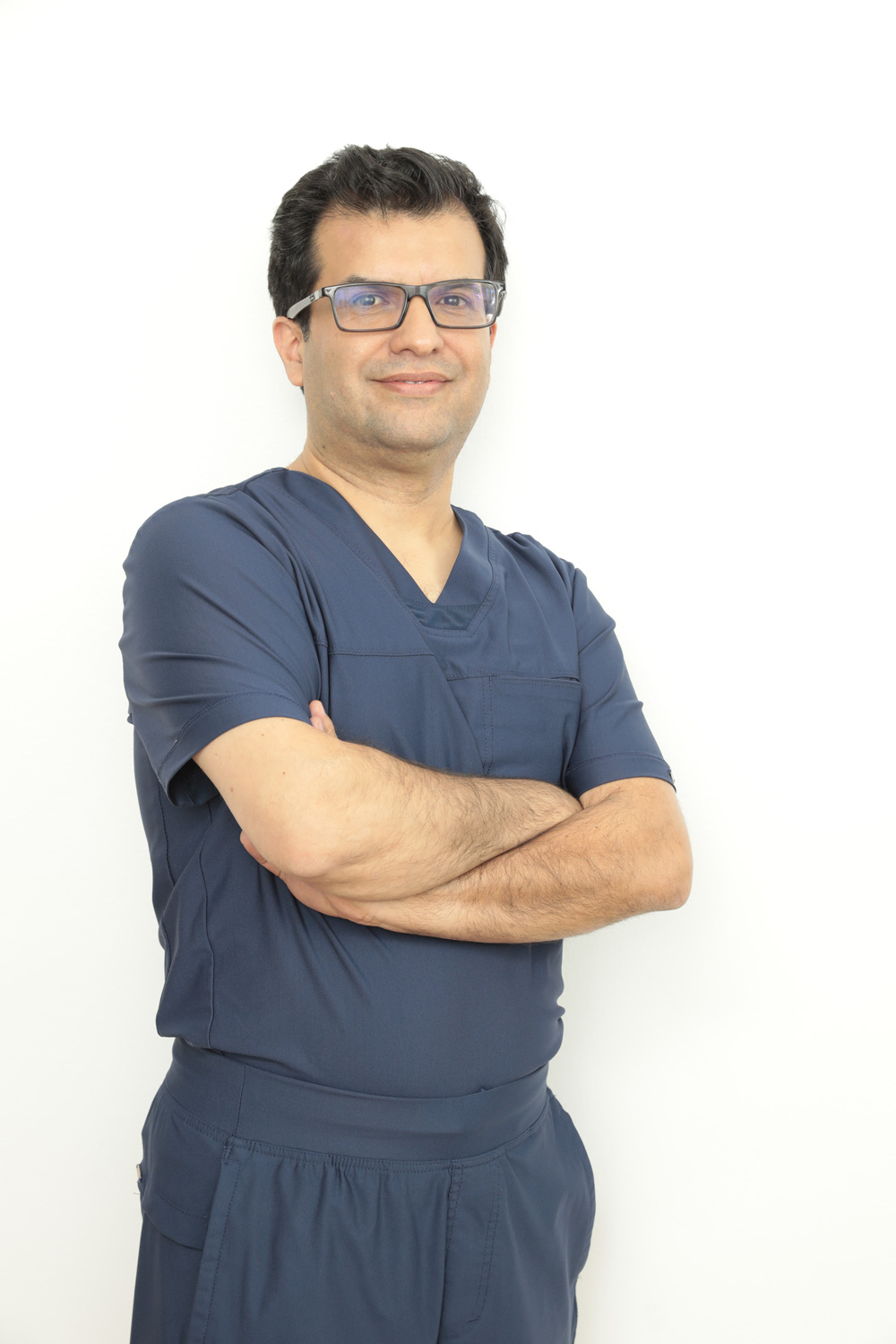
Dr. Francisco Delgado
Specialist
Specialist in Endodontics

Dr. Johana Castillo
Specialist
Specialist in Periodontics
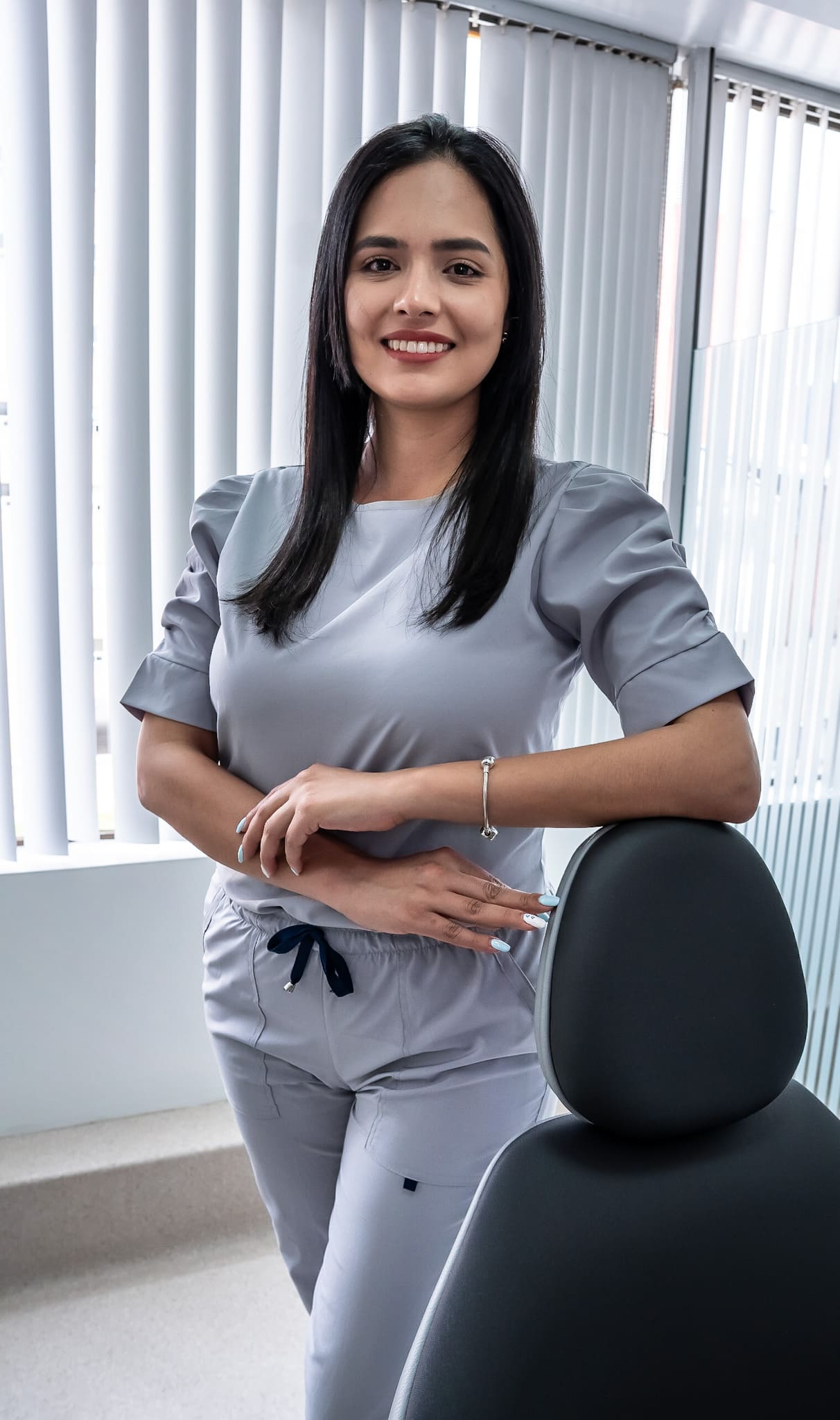
Dr. Jenifer Chacón
Specialist
Specialist in Orthodontics
Schedule your endodontic evaluation
If you are looking for endodontic treatment in Bogotá, schedule your evaluation with our specialized team and receive a complete, personalized diagnosis. We assess your oral health to identify the source of pain or infection and recommend the most appropriate way to preserve your natural tooth.
During your evaluation, we examine the affected tooth, gums, and surrounding tissues, using diagnostic imaging when necessary. We also explain the procedure, treatment timeline, and aftercare clearly so you can feel informed, comfortable, and confident throughout the process.
Would you rather message us on WhatsApp?
If you would like to ask questions before booking, our team can guide you quickly and personally about your endodontic evaluation.
Book your appointment easily
Choose the date and time that work best for you through Doctoralia.