Does smile design hurt? What patients really feel
One of the most common questions before starting an aesthetic dental treatment is whether smile design hurts. The real answer is not based on a generic phrase, but on understanding what type of treatment is going to be performed, what procedure the patient actually needs, and what sensations may appear during and after it. In most cases, patients do not describe the process as intense pain, but as a controlled, well-planned experience that is much more manageable than they expected.
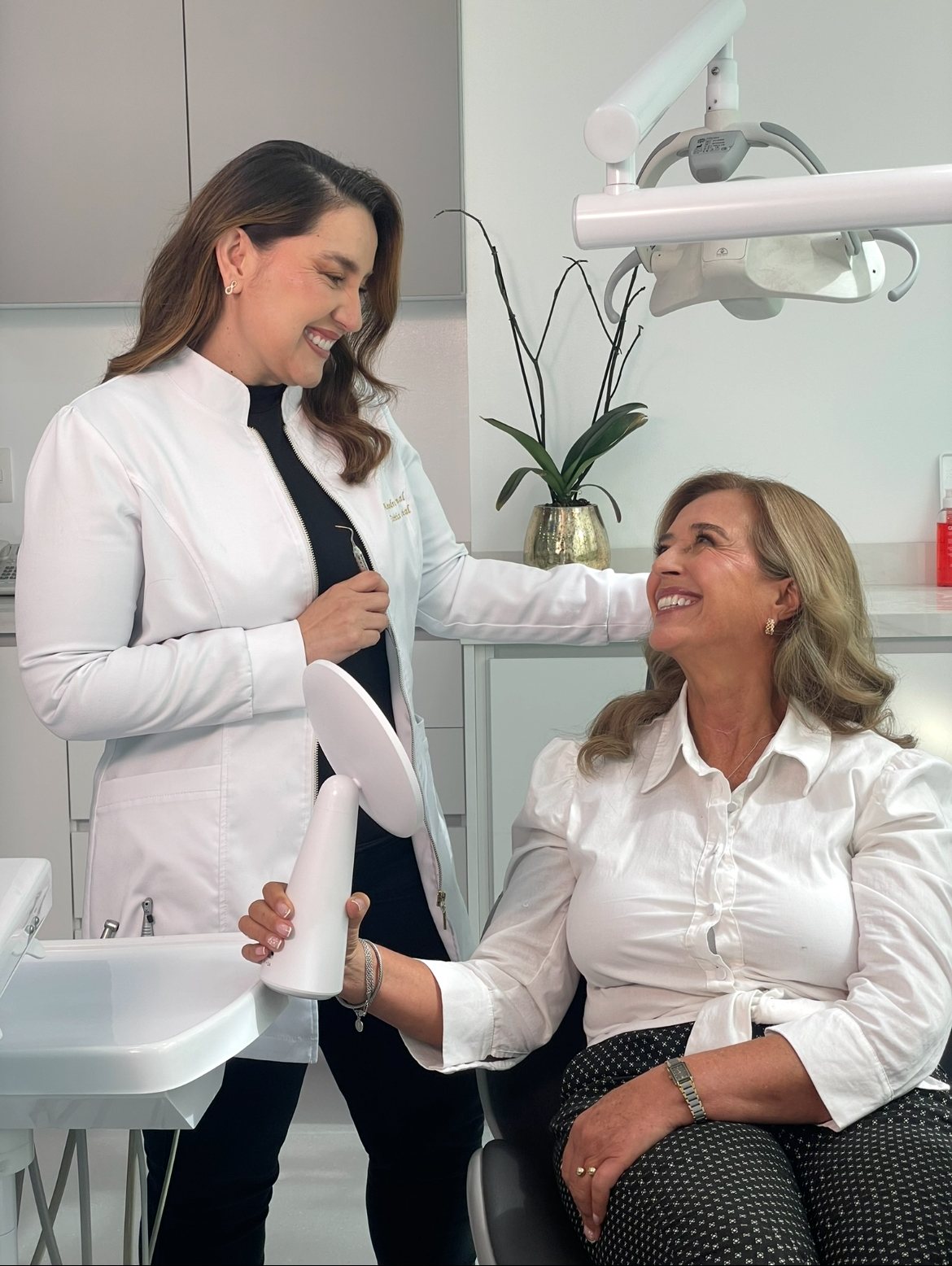
When someone searches on Google whether smile design hurts, they usually are not looking for a superficial answer. What they really want to know is what it feels like during the procedure, whether anesthesia is used, whether discomfort appears afterward, how long that feeling lasts, and whether the treatment can be done with peace of mind.
In this guide, we explain clearly and honestly what patients really feel during a smile design treatment, what differences exist depending on the procedure, and what usually happens in the first few days. If you also want to understand how long the result lasts, you can read our guide about how long a smile design lasts. And if you would like to review real cases, you can also visit our article about smile design before and after.
In most cases, smile design is not experienced as a very painful treatment
The most important thing to understand is that “smile design” is not a single procedure. It can include teeth whitening, aesthetic bonding, dental veneers, shape adjustments, oral rehabilitation, or a combination of several techniques. That is why the patient’s experience changes depending on the type of intervention.
In many cases, what the patient feels is not severe pain, but pressure, temporary sensitivity, mild discomfort, or a period of adaptation. When the treatment is well indicated and well performed, the process is usually much more comfortable than many people imagine before starting.
During the procedure
What is most common is feeling manipulation, pressure, or clinical work, rather than intense pain.
After the treatment
Some sensitivity or mild temporary discomfort may appear, depending on the type of procedure performed.
With anesthesia
In treatments that require it, the procedure is usually carried out with careful control of patient comfort.
What changes the experience most
The correct diagnosis, the technique used, and the type of treatment make a huge difference.
Would you like to know whether the treatment would be comfortable in your case and what you might feel?
Book your consultation through WhatsApp and receive personalized guidance about what type of smile design your case may need, how the procedure usually feels, and what level of discomfort or sensitivity could realistically be expected.
Very often, the fear beforehand is greater than the actual discomfort of the treatment
One of the reasons so many people search whether smile design hurts is that they mix several fears at once: fear of pain, sensitivity, enamel reduction, anesthesia, or simply not knowing what to expect. But in practice, when the patient clearly understands the treatment plan and knows what is going to be done, the experience is usually much calmer.
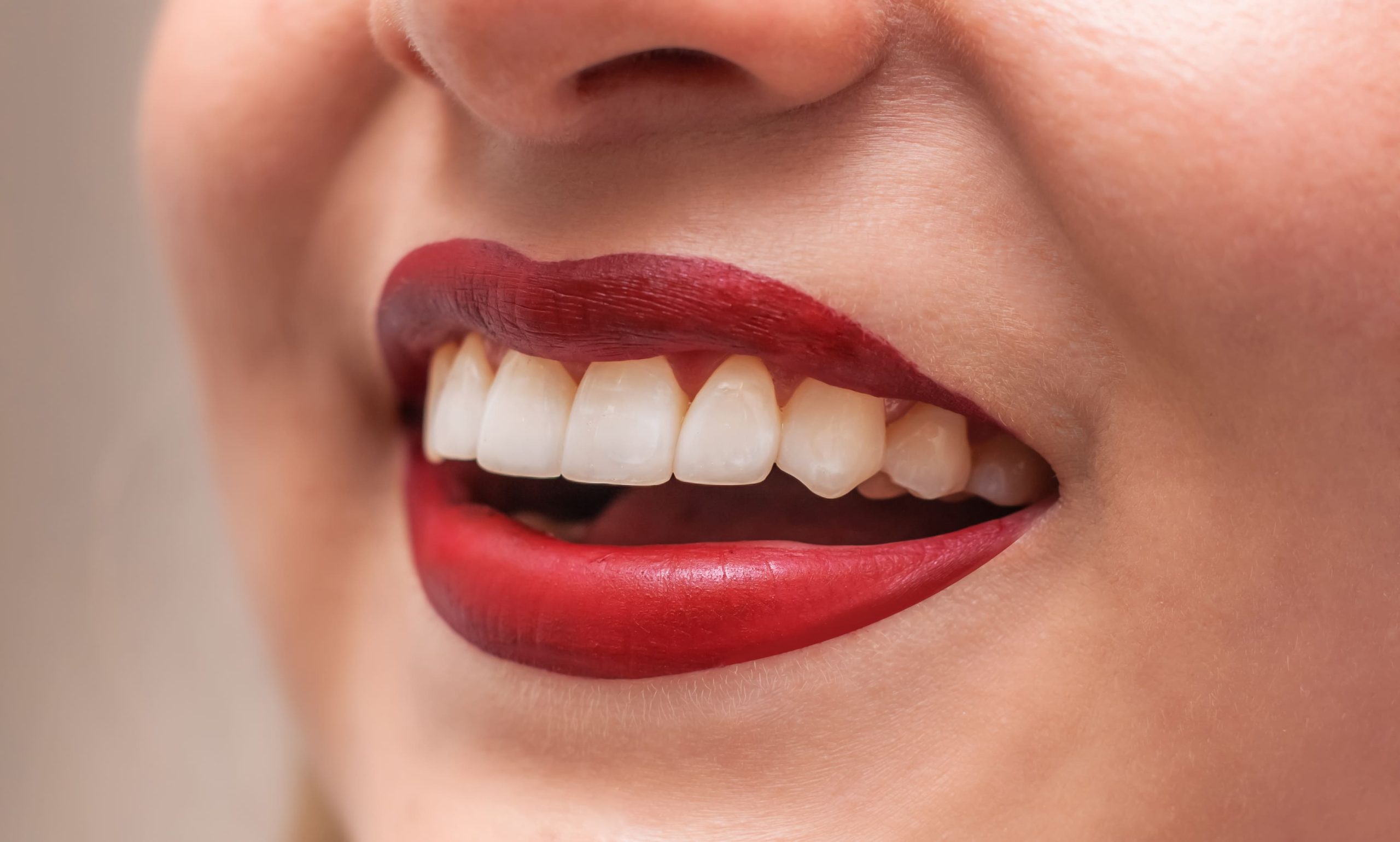

In other words, what reassures the patient most is not an empty promise like “you will not feel anything,” but an honest explanation of what procedure is needed, what may be felt, and how that experience is managed.
Does smile design with teeth whitening hurt?
When the smile design relies mainly on teeth whitening, what is most common is not intense pain, but temporary dental sensitivity. Some people feel more reaction to cold or a temporary sensitivity during or after the treatment, while others feel almost no discomfort at all.
The intensity of that sensation depends greatly on the enamel, the patient’s previous level of sensitivity, and the protocol used. That is why, in this type of treatment, it is more accurate to talk about manageable sensitivity than about actual pain.
If you also want to understand how the type of treatment influences the overall cost, you can complement this reading with our guide about how much a smile design costs in Bogotá.
Does smile design with aesthetic bonding hurt?
In smile design cases using aesthetic bonding, the experience is usually quite manageable. In many situations, the patient feels clinical work, adaptation, polishing, or manipulation, but does not describe it as significant pain. Depending on the case, there may be some mild sensitivity afterward, especially if there was previous wear or pre-existing dental sensitivity.
One of the great advantages of bonding is that it allows aesthetic changes in a conservative way. And precisely because of that, in many patients the experience is relatively comfortable when the case is well indicated.
Even so, the final sensation depends on the patient’s starting point, individual sensitivity threshold, and the exact type of correction being performed.
Does smile design with dental veneers hurt?
When the treatment is performed with dental veneers, many people feel more fear before starting because they imagine a much more aggressive procedure than what is usually done when the case is well planned. In these situations, the experience depends on the type of veneer, the level of preparation required, and the clinical case.
During the procedure, when appropriate, the treatment is carried out with proper control of the patient’s comfort. Afterward, some feeling of adaptation or temporary sensitivity may appear, but that does not automatically mean that the treatment was traumatic or excessively painful.
If you are comparing types of outcomes and want to see real transformations, you can also review our article about smile design before and after.
In oral rehabilitation or more comprehensive treatments, the sensation depends on the scope of the case
In broader treatments, where in addition to aesthetics it is necessary to solve functional issues, previous wear, bite concerns, or more complex restorations, the patient’s perception can vary more. Here it would not be accurate to give a simplistic answer, because the experience depends greatly on the starting point and the clinical plan.
Even so, what matters most in these cases is not to create fear, but to explain that the sensation is managed according to the procedure and that the treatment is planned so the patient goes through the process as comfortably as possible.

What does the patient really feel during and after a smile design treatment?
Instead of thinking only in terms of “pain or no pain,” it is more useful to understand the real sensations that usually appear in an aesthetic dental treatment.
- Pressure or clinical work during the procedure
- Temporary sensitivity to cold or heat in some treatments
- Mild discomfort or a feeling of adaptation during the first few days
- A different bite sensation while the patient gets used to it
- Much greater peace of mind when the plan is clear and the patient knows what to expect
In many patients, the most accurate word is not “pain,” but sensitivity, adaptation, or manageable discomfort. And that distinction matters a lot when evaluating the treatment realistically.
Can there be pain or sensitivity after smile design?
Yes, there can be some discomfort or sensitivity after the procedure, but that depends on the treatment performed and on the patient’s own sensitivity. In some cases, the sensation lasts a short time and is quite mild; in others, a bit more adaptation may be needed during the first days.
The important thing is to distinguish between expected sensitivity and intense pain. In most well-performed treatments, what usually appears is a temporary and manageable reaction, not an experience of severe and prolonged pain.
It also helps a lot to understand from the beginning what result is being sought and what each option involves. That is why, if you want to compare approaches and clinical context, you may also be interested in reading our guide about smile design in Bogotá: prices, before and after.
The treatment should not be judged only by whether it hurts, but by whether it is well indicated and well planned
One of the most important points is not to reduce the whole decision to the question of whether it hurts or not. What matters most is that the treatment is correctly indicated for your case. A procedure that is well chosen, well explained, and well performed is usually much more manageable than one that is poorly planned.
In addition, when the patient understands what is needed, what is going to be done, and what may be felt, the anxiety beforehand decreases enormously. And that changes the experience completely.
Frequently asked questions about whether smile design hurts
Does smile design hurt a lot?
In most cases, it is not experienced as a very painful treatment. What is more commonly described is sensitivity, pressure, or mild and temporary discomfort, depending on the procedure.
Is anesthesia used in a smile design treatment?
It depends on the type of treatment. There are very conservative procedures that can feel quite comfortable, and others in which the patient’s experience is managed according to what the case requires.
What hurts more: the procedure itself or the days afterward?
In many cases, if any discomfort appears, it is felt more as sensitivity or adaptation after the procedure than as significant pain during the appointment.
Does whitening hurt more than other treatments?
What is most common in whitening is not severe pain, but temporary sensitivity. That sensitivity varies a lot depending on the enamel and each patient’s predisposition.
If it hurts, does that mean the treatment went wrong?
Not necessarily. Temporary sensitivity or mild discomfort can be expected in some treatments. What matters is evaluating what type of sensation appears, how long it lasts, and in what clinical context it happens.
What the patient really feels is usually much more manageable than what they imagine before starting
If you are wondering whether smile design hurts, the most honest answer is that it depends on the treatment, but in most cases it is not experienced as an intensely painful process. What is most common is sensitivity, pressure, adaptation, or temporary discomfort, rather than strong pain.
What truly matters is that the treatment is well indicated, well planned, and well explained. When that happens, the patient’s experience is usually much calmer, more controlled, and more predictable.
If you want to know what type of treatment your case may need and how it may realistically feel, you can start with our page about smile design in Bogotá or request a personalized consultation.
Would you like to know what type of smile design your case may need and how the treatment may feel?
Every smile requires a different evaluation. Book an appointment with our team so we can analyze your case, explain which treatment may be the most suitable, and guide you clearly about what may be felt during and after the procedure.
Explore other treatments to care for, restore, and transform your smile
At our dental clinic in Bogotá, we provide treatments focused on improving oral health, function, and smile aesthetics. From aesthetic procedures such as smile design and dental veneers to functional solutions such as implants and oral rehabilitation, each treatment is planned in a personalized way to achieve natural, stable, and long-lasting results.
Smile design
Personalized options to improve harmony, proportions, and dental aesthetics with a natural and elegant approach.
Learn more Featured treatmentDental veneers
Improve color, shape, and proportions with a high-precision aesthetic treatment designed for harmonious results.
Learn more Featured treatmentDental implants
Replace missing teeth with a stable, functional, and aesthetic solution designed to restore your smile.
Learn more Comprehensive restorationOral rehabilitation
Treatments focused on restoring function, bite, aesthetics, and oral health in more complex cases.
See more SpecialtyDental aesthetics
Procedures focused on improving the smile with natural, balanced, and personalized results.
See more SpecialtyOrthodontics
Correct tooth position and improve the bite with treatments designed for children, young people, and adults.
See more SpecialtyEndodontics
Solutions to treat infections or deep tooth damage while preserving the natural tooth whenever possible.
See more Our teamDental specialists
Meet the professional team involved in aesthetic, restorative, and functional treatments.
See more