Do dental implants hurt? What it feels like during and after treatment
One of the most common questions before starting a treatment with dental implants in Bogotá is whether the procedure hurts. The answer is that, during surgery, the patient should not feel pain thanks to local anesthesia, although temporary discomfort, swelling or sensitivity may appear afterward as part of the recovery process.
Fear of pain is one of the main reasons why many patients postpone a treatment that could significantly improve their quality of life. However, the real experience is usually much more manageable than most people imagine before coming to the clinic.
In this article, we explain whether dental implants hurt, what you may feel during surgery, what discomfort can appear afterward, how long recovery usually lasts, and when it is important to contact the specialist again.
Does getting a dental implant hurt?
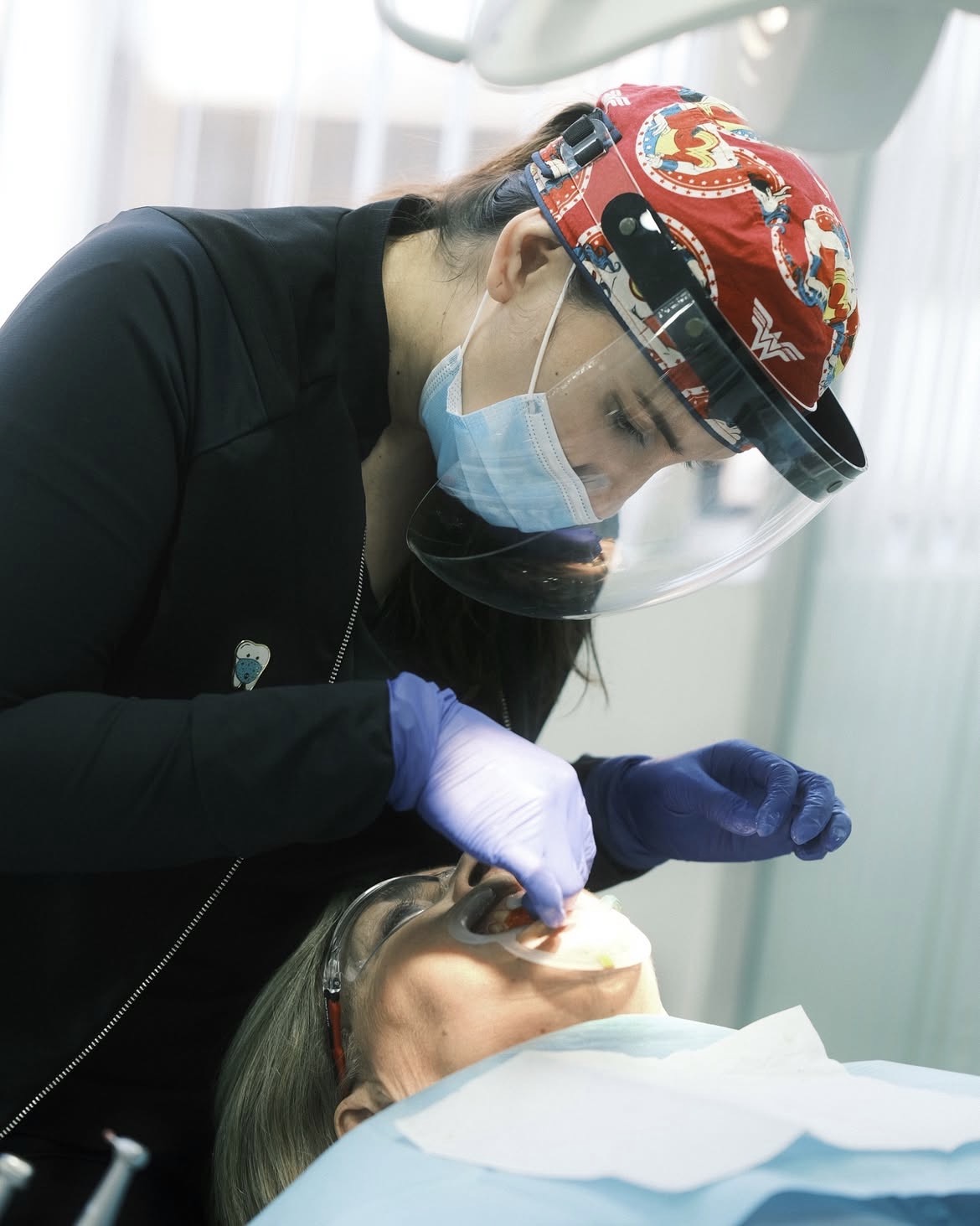
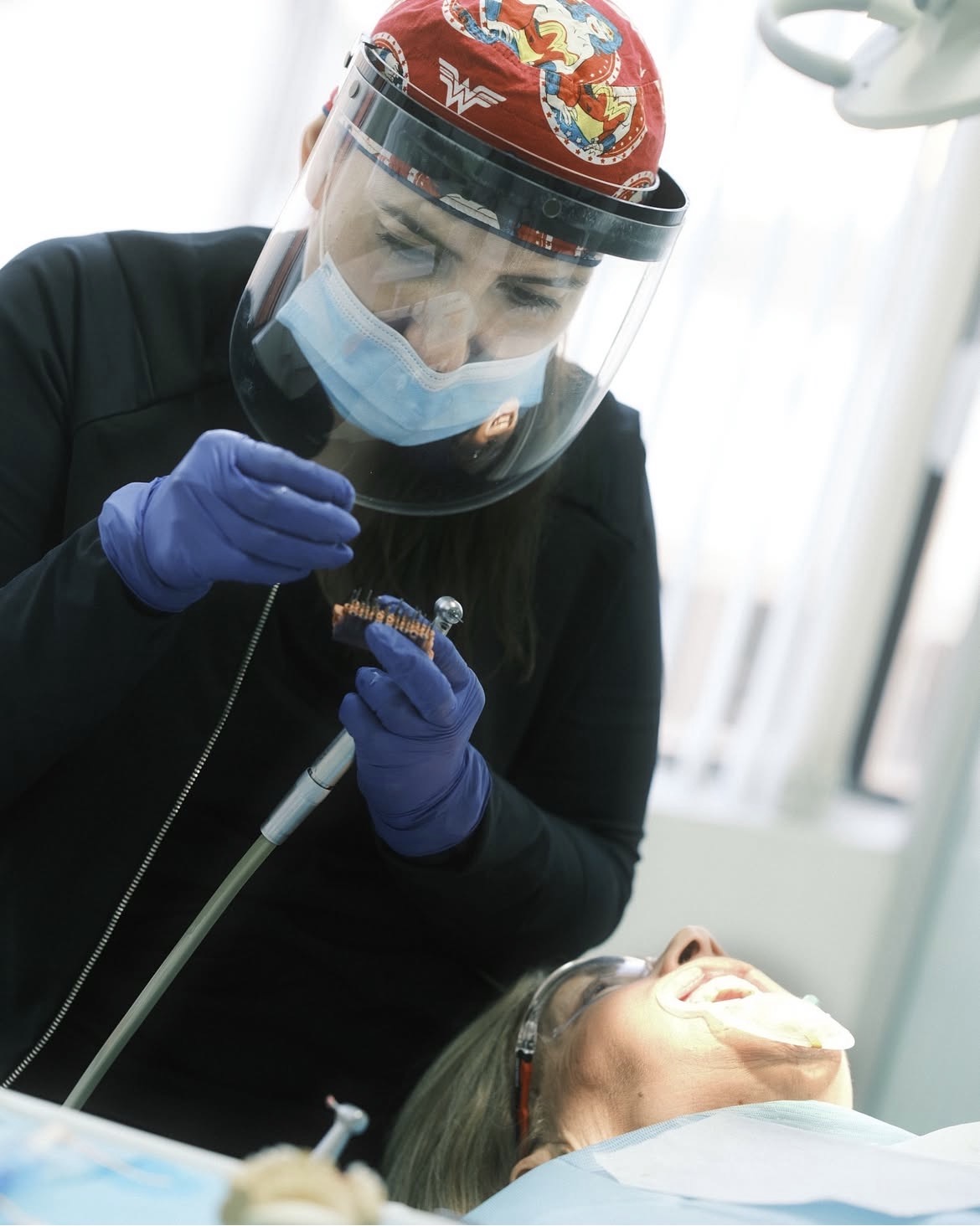
During surgery, the patient should not feel pain as such. Implant placement is carried out under local anesthesia, so the area is numbed before the procedure begins.
What the patient may notice is pressure, vibration, clinical manipulation in the area, or the feeling that the dentist is working on the bone and gum, but not sharp pain. This makes the experience, in most cases, much easier than patients initially expect.
The experience can vary depending on the number of implants, the complexity of the case and the dentist’s expertise. That is why it is so important to undergo treatment at a clinic with experience in oral implantology.
What does it feel like after a dental implant is placed?
After surgery, it is normal to feel some temporary discomfort. This does not necessarily mean that something is wrong. It is part of the body’s natural response after a surgical procedure.
- Mild or moderate swelling in the gum or face
- Local sensitivity in the treated area
- Discomfort when chewing during the first few days
- Minor bruising in some cases
- Light bleeding during the first hours
These symptoms are usually manageable with the prescribed medication and tend to improve progressively. If you also want to understand the long-term stability of treatment, you can read this article about the lifespan of dental implants and how long they last.
How long does discomfort last after a dental implant?
In most patients, the most noticeable discomfort is concentrated within the first 24 to 72 hours. After that, gradual improvement is the most common pattern.
First 24 hours
Swelling, local sensitivity and mild discomfort that is manageable with prescribed medication may appear.
Days 2 to 3
Some discomfort may remain, although most patients already begin to feel that the recovery is manageable.
First week
Swelling usually decreases and the area begins to feel more stable and less sensitive.
Ongoing healing
Even when discomfort is gone, the biological process of integration continues for a longer period.
This should not be confused with the total treatment time. Surgery may be relatively short, but the complete process depends on the clinical case and the selected protocol.
What factors affect how much it hurts?
Not every patient experiences treatment in exactly the same way. The intensity of discomfort can vary depending on several factors:
Placing a single implant is not the same as performing a more extensive rehabilitation or multiple implants in one session.
If extractions, bone grafting or other complementary procedures are needed, recovery may be somewhat more demanding.
Previous infection, inflammation or bone loss can influence how the recovery feels.
Resting, taking medication correctly and following the dentist’s recommendations can make recovery significantly more comfortable.
In more extensive oral rehabilitation treatments, planning is even more important because the goal is to control not only the surgery itself, but also function, bite and long-term stability.

Do dental implants hurt more than a tooth extraction?
In many cases, patients describe dental implant placement as a similar or even easier experience than a complex extraction.
- Local anesthesia usually controls sensitivity very well
- The surgery is planned with more precision
- The procedure is performed under controlled clinical conditions
- Post-operative medication is prescribed from the beginning
The idea that “implant” automatically means intense pain usually does not match the real experience of most patients.
When should you be concerned?
Mild or moderate discomfort is normal after implant placement, but there are certain signs that do require professional evaluation.
Good clinical follow-up helps identify any issue early and keeps the treatment under control.
How can recovery be more comfortable?
After surgery, some simple steps can help reduce discomfort and make recovery easier:
These recommendations help not only to make recovery easier, but also to protect the proper integration of the implant.
Is it worth it even if there is temporary discomfort?
For most patients, yes. Post-operative discomfort is usually temporary, while the functional and aesthetic benefits of treatment can last for many years.
Better chewing function
Implants help restore stability and comfort while eating.
More confidence when speaking
Replacing missing teeth improves confidence and the feeling of oral stability.
Aesthetic improvement
In some cases, implants are part of a broader smile design treatment in Bogotá.
Long-term investment
If you also want to understand the financial side, you can review this guide about the cost of a dental implant in Bogotá.
Dental implants are usually not as painful as many people think
In general, there should not be pain during surgery thanks to local anesthesia. After the procedure, temporary discomfort may appear, but it is usually manageable and tends to improve within a few days.
The key lies in proper evaluation, a good surgical technique and professional follow-up. If you are thinking about starting a treatment with dental implants in Bogotá, understanding what the procedure really feels like can help you make a more informed and confident decision.
And if you are traveling from abroad, you can also learn how this kind of treatment is organized within a dental tourism in Bogotá experience.
Are you thinking about getting dental implants in Bogotá?
Schedule a personalized consultation and discover which treatment best fits your case, your oral health and your functional and aesthetic goals.
Discover other solutions to restore, care for and improve your smile
At our dental clinic in Bogotá, we offer treatments designed to improve function, aesthetics and oral health. From procedures such as dental implants and oral rehabilitation to aesthetic treatments such as smile design, every case is planned in a personalized way to achieve natural, stable and long-lasting results.
Dental implants
Replace missing teeth with a functional, stable and natural-looking solution designed to restore your smile.
Learn more Related articleDental implant cost
Learn how much a dental implant may cost in Bogotá and which factors influence the final treatment price.
Read article Related articleImplant lifespan
Find out how long dental implants last, what affects their lifespan and which habits help maintain them.
Read article Comprehensive restorationOral rehabilitation
Treatments focused on restoring function, bite, aesthetics and oral health in cases that require more complete care.
See more Dental aestheticsSmile design
Personalized options to improve harmony, proportion and dental aesthetics with a natural and elegant approach.
See more SpecialtyDental aesthetics
Procedures designed to enhance the smile and achieve balanced, natural and personalized results.
See more International patientsDental tourism in Bogotá
Learn why Bogotá has become an attractive option for high-quality dental treatment at a smarter cost.
See more Dental aestheticsDental veneers
Improve tooth color, shape and proportion with a high-precision cosmetic treatment and harmonious results.
See more