
Dental cleaning vs teeth whitening: which one do you actually need?
Many people use these two expressions almost as if they meant the same thing, but a professional dental cleaning and teeth whitening do not pursue exactly the same goal, do not act on the same kind of issue, and do not produce the same result. Dental cleaning is mainly aimed at removing plaque, tartar, and surface stains, while also helping maintain gum health and overall oral hygiene. Teeth whitening, on the other hand, is meant to brighten the color of the teeth and address pigmentation that does not disappear with professional cleaning alone. Understanding this difference is essential to avoid the wrong expectations and to know when you need a healthier foundation and better maintenance, when you are really looking for a color change, and when both treatments should be combined.

It is very common for a patient to say, “I want a cleaning so my teeth look whiter,” when what they are actually looking for is a deeper color change. The opposite also happens: some people ask for whitening when what they really need first is to remove tartar, plaque, or surface pigmentation before thinking about any aesthetic procedure. That confusion is completely normal, because from the outside both treatments seem to move toward the same general goal: making the smile look better.
Clinically, however, they are different treatments. Professional cleaning is part of oral health maintenance and can also improve the appearance of the smile. Teeth whitening, by contrast, belongs more directly to the field of tooth color and aesthetics. If you are also building context around this topic, it may help to review our page on dental cleaning, our page on teeth whitening, the article on dental cleaning cost in Bogotá in 2026, the guide on how often a professional dental cleaning is recommended, and also this broader comparison between dental cleaning and teeth whitening.
If the issue is plaque, tartar, or external stains, a cleaning usually makes more sense; if the issue is the tooth shade itself, whitening usually makes more sense
This is the simplest and most useful way to understand the difference. Professional dental cleaning is designed to remove deposits and buildup that brushing at home does not always eliminate completely. It also helps maintain gum health and improve the overall feeling of cleanliness. When what makes the smile look darker is plaque, calculus, or superficial pigmentation, a cleaning can make the teeth look significantly better.
But if the mouth is already relatively clean and what bothers the patient is that the teeth still look yellow, dark, or dull, cleaning by itself will probably not be enough. In those cases, what really changes the situation is teeth whitening, because the goal is no longer to clean what is on the outside, but to improve the actual color of the tooth.
Put simply: cleaning improves the surface and the oral environment; whitening aims to change the shade. Sometimes you need one. Sometimes the other. And in many cases, first a cleaning and then whitening. If you also want to understand how cleaning fits into a long-term maintenance plan, it is worth reviewing how often a professional dental cleaning is usually recommended.
Professional dental cleaning is designed to remove plaque, tartar, and surface stains while helping maintain gum health and oral hygiene

Dental cleaning should not be understood only as something “to look better,” even though the visual improvement can be quite noticeable. Its main function is to remove plaque buildup, tartar, and certain external pigments that affect the appearance of the teeth and may contribute to gum problems if not controlled in time.
In many patients, that procedure already creates a smile that looks fresher, cleaner, and visibly brighter. But the change happens because dirt, calculus, or superficial staining are being removed, not because the intrinsic tooth color is changing. That distinction is essential so patients do not expect from a cleaning an effect that does not belong to it.
Professional cleaning also has an important preventive role. It helps keep the oral environment more stable, makes it possible to check the gums, and allows early signs of inflammation or other needs to be detected. That is why it also connects with the maintenance logic explained in our article on how often a professional dental cleaning is recommended. It also makes the difference with whitening much easier to understand, as explained in this comparison between dental cleaning and teeth whitening.
Teeth whitening does not replace cleaning, because its main purpose is to brighten the tooth shade, not to remove tartar or plaque
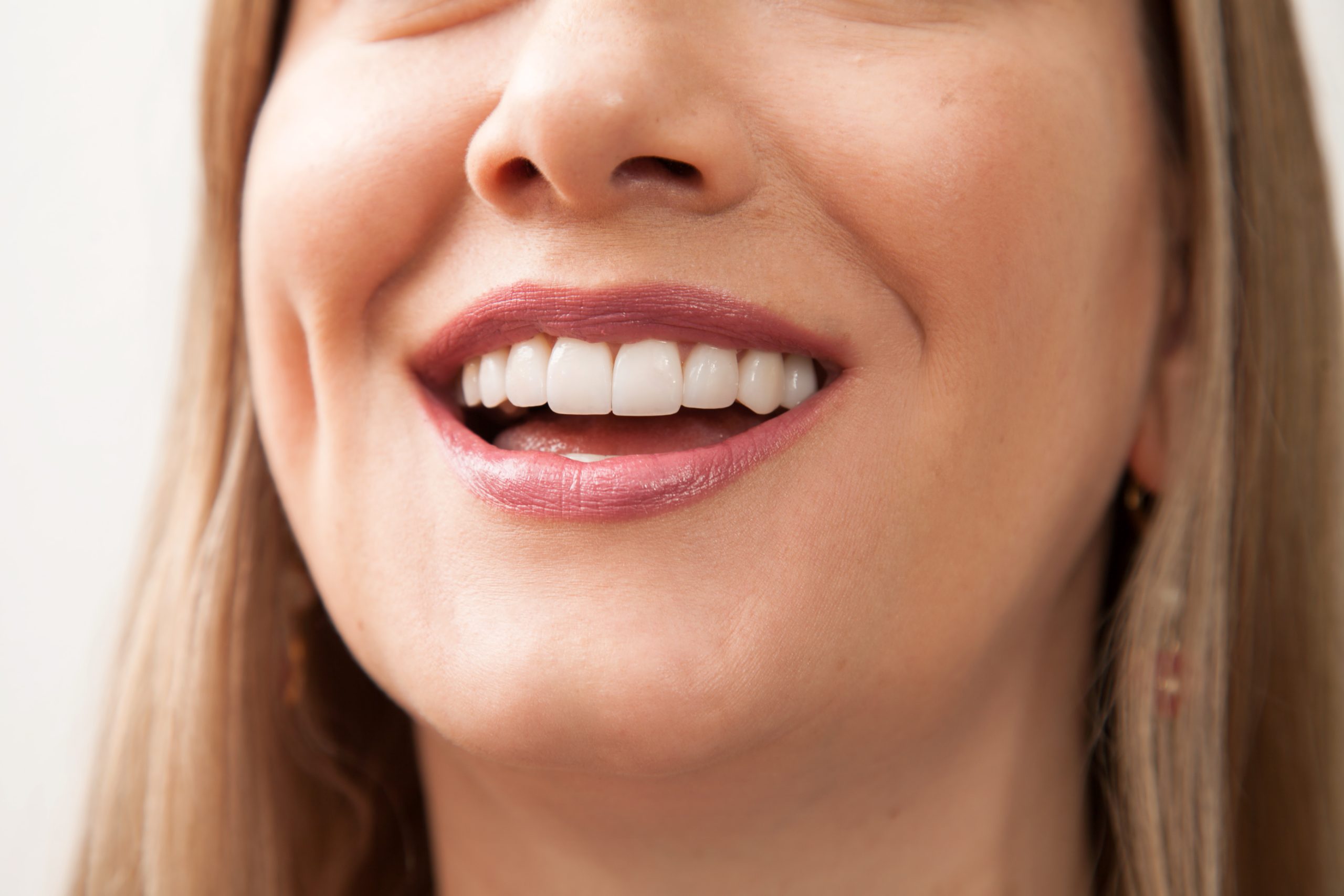
Teeth whitening follows a different logic. Its goal is to improve tooth color, especially when the patient feels that their teeth look yellowish, dull, or darker than they would like, even when hygiene is good and the tooth surfaces are already relatively clean.
That is why a mouth can be perfectly clean and still not look as white as the patient expects. In that situation, repeating cleanings over and over again will not create the color change the patient truly wants. What is needed instead is to assess whether the case is a good candidate for teeth whitening and whether the patient’s expectations match what that treatment can realistically achieve.
It is also important to understand that whitening should not be seen as a substitute for cleaning. It is not designed to eliminate tartar or solve gum issues. If the foundation is not healthy, the first step is usually to restore order with hygiene, maintenance, and clinical evaluation before deciding whether a color change really makes sense. This is exactly the distinction developed throughout our article comparing dental cleaning and teeth whitening.
Many people think their teeth “need a cleaning” when what they actually want is a deeper color improvement
What cleaning can do
Remove tartar, plaque, and some external stains so the smile looks fresher and more polished.
What it should not promise
A deep shade change when the darker tone is not caused by external buildup.
What whitening can do
Brighten the tooth color when the patient already has a healthy base and wants a lighter smile.
What it does not replace
Gum maintenance, calculus removal, and the preventive role of professional cleaning.
This confusion happens often because patients do not always know how to distinguish between an external stain and the actual shade of the tooth. In the mirror, both can feel similar: “I want my teeth to look whiter.” But the correct path changes depending on the cause.
That is exactly why an honest evaluation matters so much. It makes it possible to identify whether what is really needed is professional cleaning, whitening, or a combination of both. It also helps avoid frustration and interpret the value of each treatment more intelligently, something that connects well with the article on how much a dental cleaning costs and what is usually included. It also ties directly into the broader question of whether a patient actually needs cleaning, whitening, or both.
Dental cleaning is often the best option when there is visible buildup, a feeling of “dirty teeth,” external staining, or a clear need for preventive and periodontal maintenance
If the patient has gone a long time without professional hygiene, notices buildup around the teeth, has visible tartar, gums that bleed easily, or a smile that looks dull because of coffee, tea, or tobacco staining, cleaning is usually the most sensible starting point. It also makes sense when the goal is to review the overall condition of the mouth and rebuild a healthier foundation before considering any aesthetic procedure.
In many people, the visual improvement after a cleaning is already enough, because the main issue was external. But even when whitening is being considered later, that healthier foundation is still usually necessary. In other words, cleaning does not compete with whitening: many times, it prepares the way for it.
In addition, when a mouth needs periodic maintenance, it also helps to understand the timing behind that treatment. For that, you may want to review our guide on how often a professional dental cleaning is recommended. And if the patient’s doubt is really whether maintenance will be enough or whether a color procedure is also needed, this cleaning vs whitening guide adds very useful context.
Teeth whitening is usually the more logical option when the mouth is already clean and the real concern is the tooth color itself

Some patients take good care of their mouths, do not have significant buildup, and maintain reasonably healthy gums, yet still feel that their smile is not as white as they would like. In those cases, the need is usually more related to color than to hygiene. Repeating cleanings would not solve the core issue, because the teeth may already be clean and still look too dark for the patient’s aesthetic expectations.
That is where teeth whitening becomes relevant. Not because the mouth is “dirty,” but because the person wants a brighter, lighter, or more luminous smile. In some cases, that change will be enough on its own. In others, it may become part of a broader dental aesthetics plan.
This distinction is also important to avoid overtreatment. Not every patient who wants to look better needs a bigger aesthetic procedure. Sometimes what is needed is simply a good whitening treatment. Other times, just a proper cleaning. That is precisely why understanding the difference between dental cleaning and teeth whitening is so valuable before deciding.
In many cases, the best answer is not choosing between cleaning and whitening, but understanding that first comes a healthy foundation and then the color change
In clinical practice, this combination is very common. A patient may come in wanting whiter teeth, but on evaluation it becomes clear that the first step should be removing tartar, plaque, and superficial staining. That initial phase not only improves the smile right away, but also creates a cleaner base from which the real tooth color can be assessed more accurately.
Once that cleaning is done, it becomes much easier to decide whether whitening still makes sense. Very often, the answer is yes. In other cases, the patient realizes that the improvement achieved by the cleaning already feels sufficient.
This sequence is usually far more logical than trying to choose blindly between the two procedures. It also helps build more realistic expectations: first clean and stabilize, then brighten if necessary.
When the final goal is a more harmonious smile overall, this conversation can also connect with treatments such as smile design, dental veneers, or a broader perspective with dental specialists in Bogotá. It also tends to work better when the patient already understands the role of professional cleaning in regular maintenance.
It is not a good idea to choose only by intuition, by price, or by an aesthetic promise without first understanding what is actually causing the problem

A common mistake is to ask for cleaning because it “sounds simpler,” or whitening because it “sounds stronger,” without a real evaluation of what is causing the issue. The result of that approach is usually a poorly defined expectation: either the patient expected more brightening than a cleaning can provide, or they did whitening without first addressing hygiene and maintenance needs.
It is also not wise to decide only by price, because these are not the same procedures and they do not pursue the same goal. Comparing them as if they were interchangeable leads to a poor decision. The right question is: what do you actually need? A cleaner and healthier mouth? A lighter tooth shade? Or both, in the right order?
That is where an honest evaluation makes the difference. And when the case is broader, that same logic may open the door to a more complete oral health view, including oral rehabilitation, endodontics, orthodontics, or dental aesthetics, depending on what the case truly requires. For many patients, it also helps to frame the question within the cleaning vs whitening decision itself.
You need cleaning if the problem is plaque, tartar, or stains; whitening if the problem is the tooth shade; and both if you want a healthy foundation and then a brighter smile
That is probably the clearest way to summarize the article. If the smile is being affected by buildup, lack of maintenance, or superficial staining, what usually makes more sense is professional dental cleaning. If what bothers the patient is that the teeth still look dark even when clean, then teeth whitening usually makes more sense.
And for many patients, the most complete answer is not “one or the other,” but “first a cleaning, and then decide whether whitening is still necessary.” That sequence is usually the most logical, the most honest, and the one that best aligns oral health, maintenance, and aesthetic results.
If you want to go deeper, it may help to review our page on dental cleaning, our page on teeth whitening, the article on dental cleaning cost in Bogotá, and the guide on how often professional cleaning is recommended. It may also help to revisit this full comparison between dental cleaning and teeth whitening when the decision still feels unclear.
Dental cleaning and teeth whitening are not the same, and understanding that difference helps avoid very common mistakes when trying to improve the smile
Although both treatments can make the smile look better, they do not respond to the same need. Professional dental cleaning is aimed at removing plaque, tartar, and surface stains while helping maintain gum health and oral hygiene. Teeth whitening, by contrast, is designed to brighten the tooth shade when the main issue is no longer external buildup, but color itself.
That is why the right decision should not come only from a general feeling like “I want to look better,” but from understanding what is actually causing that concern. Sometimes what is needed is cleaning. Sometimes whitening. And very often, a sensible combination of both in the right order.
If you want to keep exploring, it may help to visit our main page on dental cleaning, review the page on teeth whitening, read the article on dental cleaning cost in Bogotá in 2026, understand how often professional cleaning should be done, or explore how this foundation can become part of a broader vision of dental aesthetics and smile design. And if your biggest doubt is still the choice itself, this article can be complemented very naturally with the full guide to dental cleaning vs teeth whitening.
Would you like to know whether you need a cleaning, whitening, or a combination of both?
We can evaluate the condition of your mouth, explain whether the change you want depends more on hygiene and maintenance or on tooth color, and guide you with a realistic plan based on your goals.
Explore more content about dental cleaning, teeth whitening, and dental aesthetics in Bogotá
If you want to better understand how professional hygiene, tooth color, and smile maintenance connect, these pages can help you build a much more complete view.
Dental cleaning
Learn when it is recommended, what benefits it provides, and why it remains an essential foundation of oral care.
Learn more Tooth colorTeeth whitening
Discover when a color change makes sense and what this treatment can realistically contribute to your smile.
Read more PriceDental cleaning cost in Bogotá in 2026
Understand estimated price ranges, what influences the fee, and what a professional cleaning usually includes.
Read article FrequencyHow often should you get a professional dental cleaning?
Discover which factors change the ideal frequency and why not every patient needs the same maintenance schedule.
View guide ComparisonDental cleaning vs teeth whitening
Understand when professional cleaning is enough, when a color change is needed, and how to clearly distinguish both treatments.
Explore PlanningSmile design
Understand how a well-planned smile goes beyond color and also depends on health, proportion, and natural results.
Explore